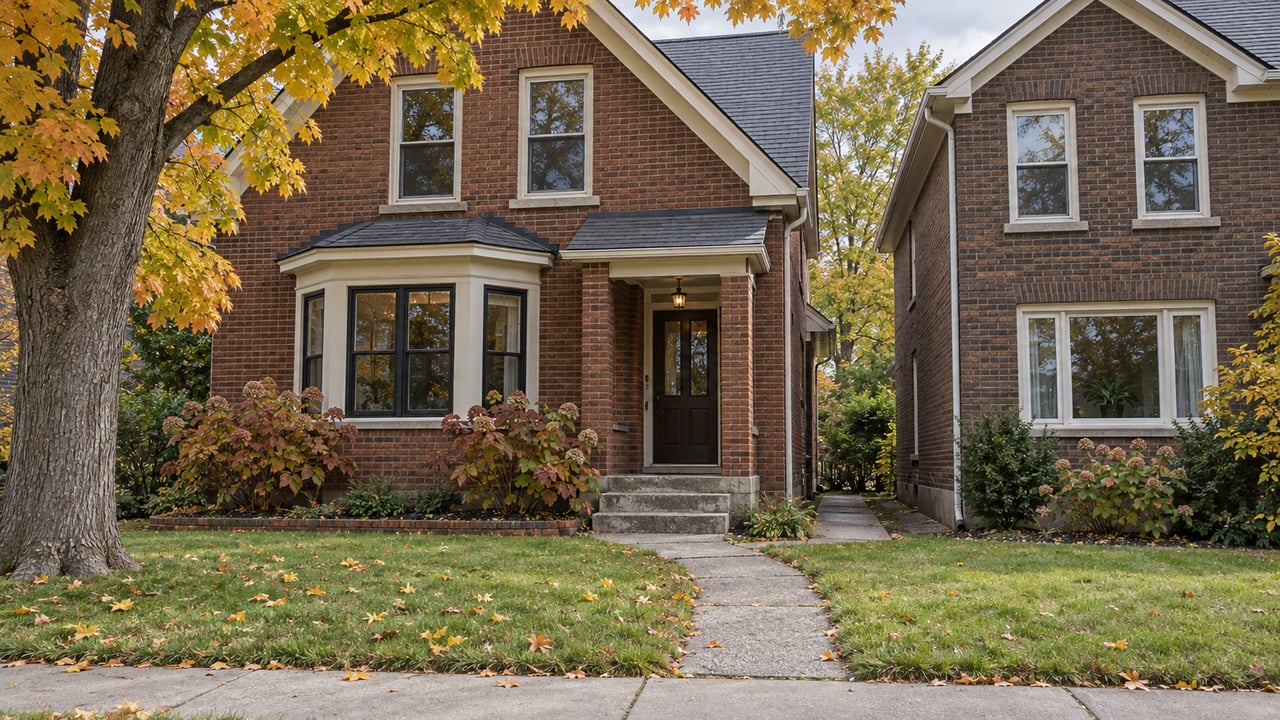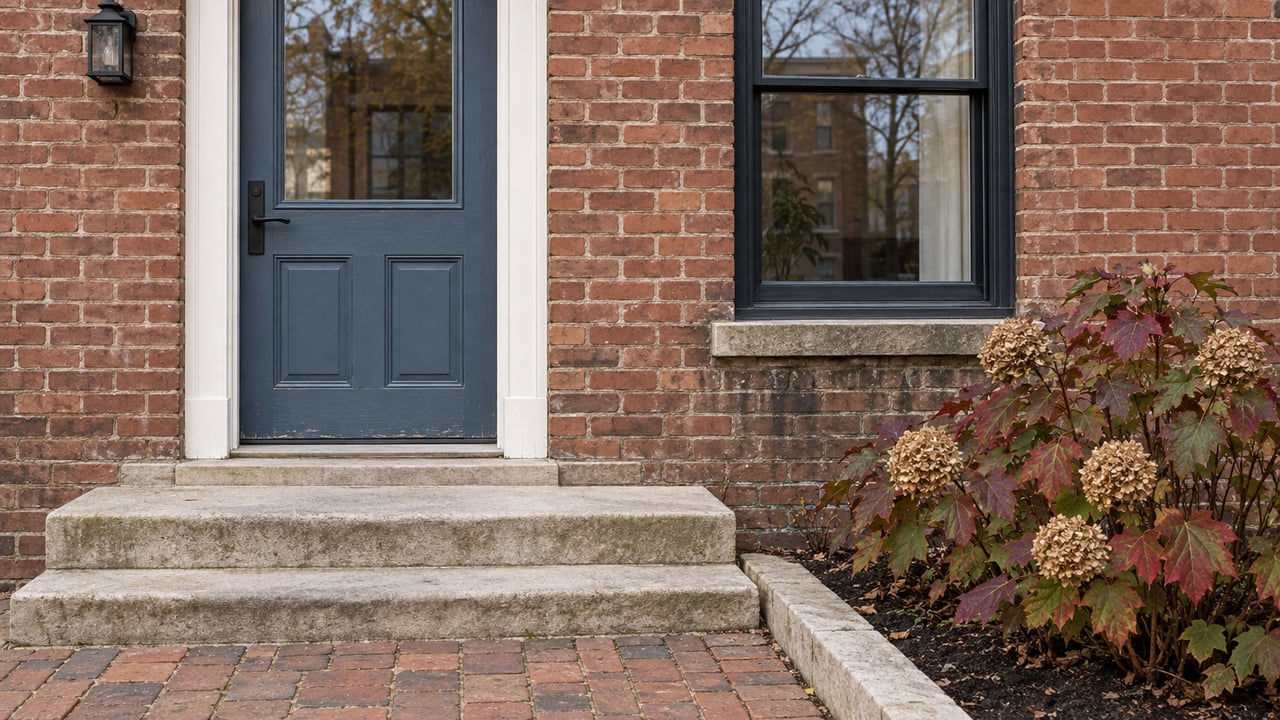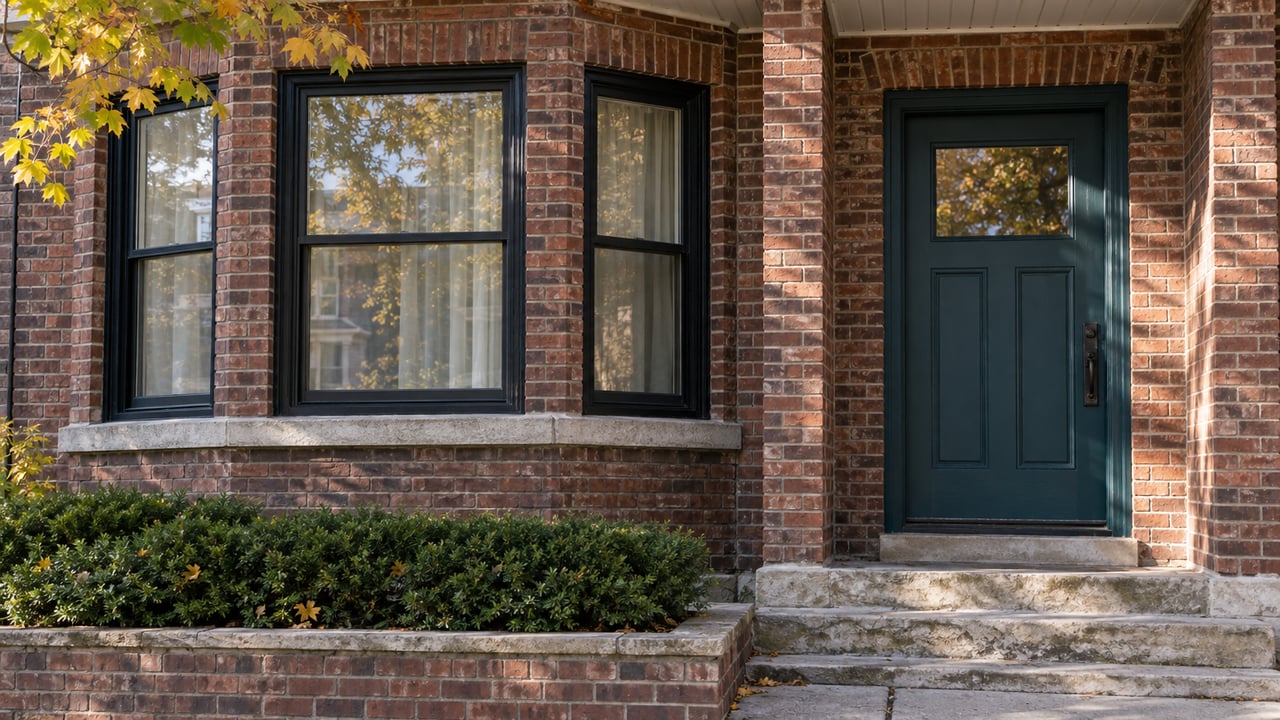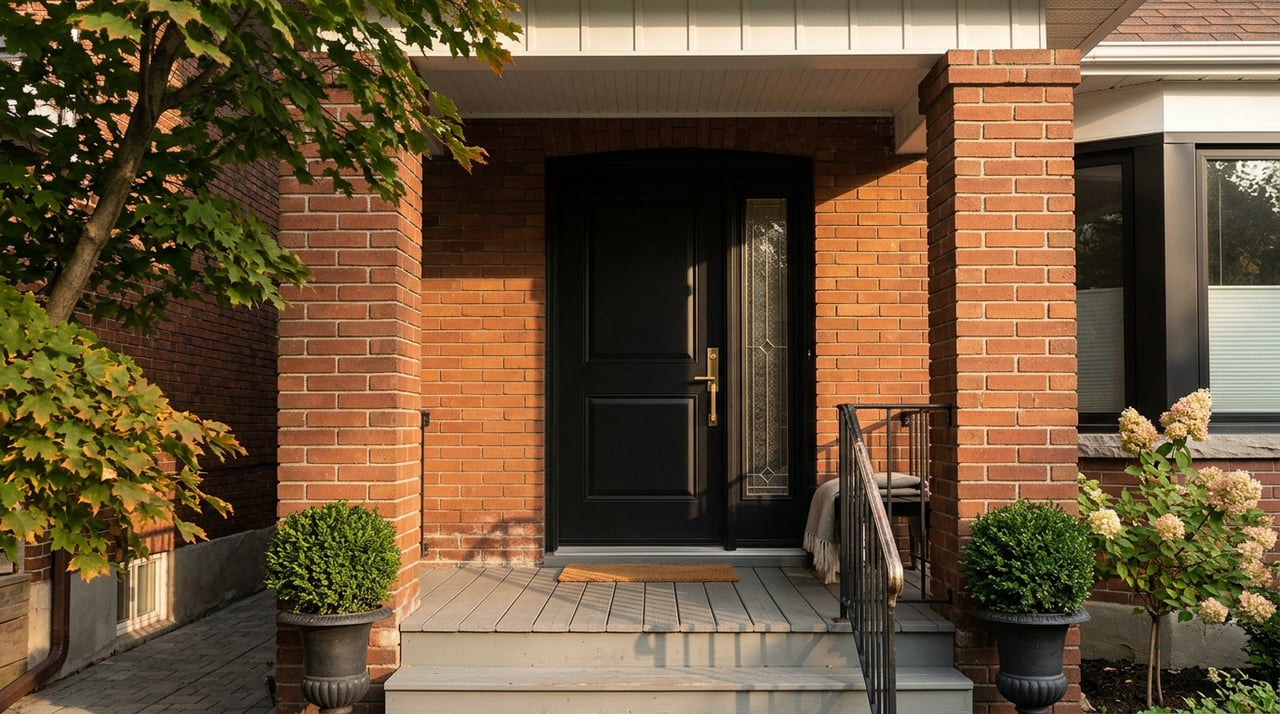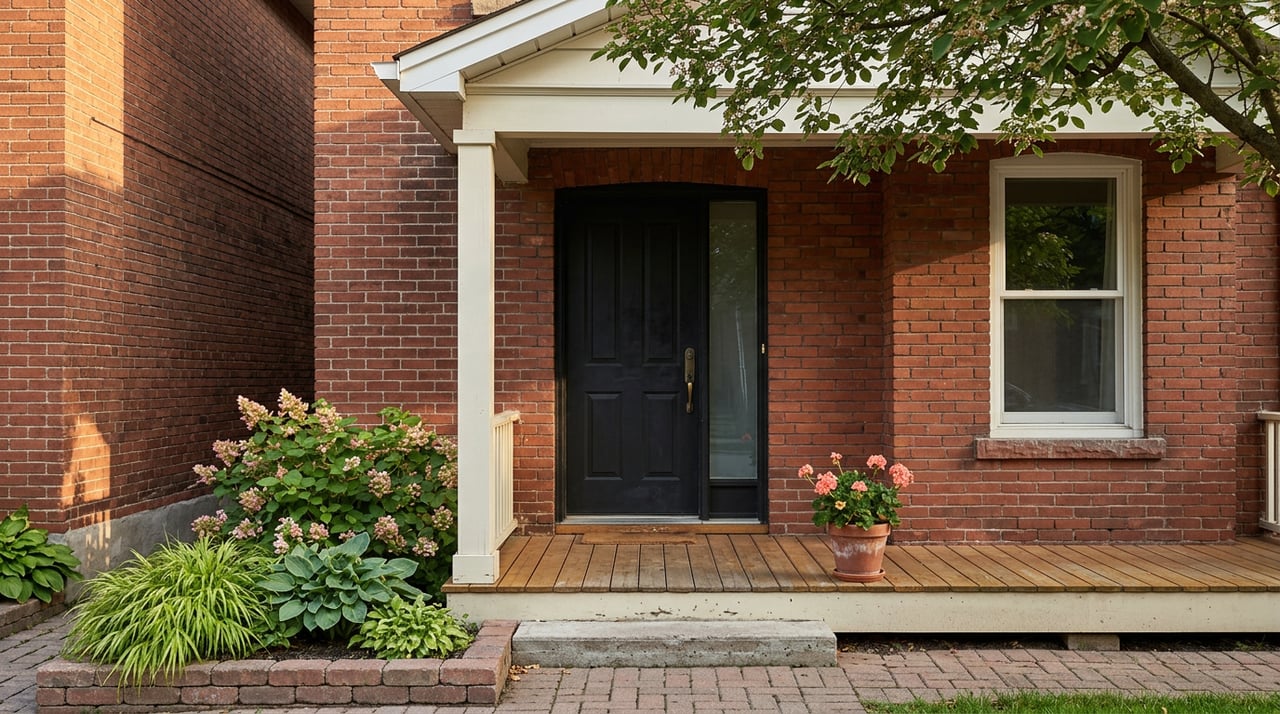
Two semi-detached homes sit a block apart, both a short walk from Gerrard and Woodbine. One is listed as being in Beach Hill. The other says Upper Beach. Ask the city of Toronto where the line falls between those two names and the honest answer is that it doesn't, because neither name appears on a municipal map. The city's own designation for this pocket is East End Danforth, a label almost nobody uses when they search for a home.
That gap between what buyers type into a search bar and what the city actually calls the place isn't trivia. Different labels may affect which sales appear in a search.
The name is younger than most of the houses
The story starts with a golf course. In 1876, the Toronto Golf Club, the third oldest in Canadian history, took up residence on the Fernhill property between Woodbine and Coxwell, hosting the Canadian Open twice, in 1905 and 1909. When the club moved on, a developer called Robin's Group bought the land and renamed it Kelvin Park, running newspaper ads through 1913 that promised streetcar access and lake views to anyone willing to buy a lot and build.
That pattern repeated almost a century later. The name "Upper Beaches" was first used by developers and real estate agents between 2001 and 2003 to market houses on redeveloped land north of the actual Beach, a stretch that the city did not consider part of the Beach. The Wikipedia entry on Upper Beaches is blunt about it: this was a marketing tag, and the city's real name for the area, East End Danforth, is rarely used in practice.
Beach Hill is the newest layer on top of that. It sits inside a strip some sources call Woodbine Corridor and others fold into Upper Beach, bordered roughly by Coxwell, Woodbine, Milverton, and Queen East, though not every source agrees on exactly where that southern edge falls. One real estate profile of the area goes out of its way to note that Beach Hill should not be confused with Upper Beaches, even though it sits inside the same statistical zone. Sources describe the edges differently, so buyers comparing listings may want to check which streets are included.
The name has become real, even if the boundary hasn't
The name also appears in the built environment. A condo development near Gerrard and Woodbine markets itself under the name Beach Hill Residences. Beach Hill Smokehouse, the Texas-style barbecue spot founded by owner Darien List, opened its original location at Main and Gerrard and later added a second location at Danforth and Chester.
So the name is culturally real. People say they live in Beach Hill the way they'd say they live in Leslieville. It's just not administratively real, and that distinction matters the moment you start pulling comparable sales.
How neighbourhood names can affect comparisons
When an agent builds a comparative market analysis, they choose which sold listings count as "comparable." If one agent pulls comps tagged Beach Hill and another pulls comps tagged Upper Beach or Woodbine Corridor for the exact same three blocks, they can land on different average prices, not because the underlying homes are different, but because the label attached to each sale shapes which pool it gets counted in. A buyer comparing two active listings side by side can consider the homes' locations and features as well as the neighbourhood names used in their listings.
Differences in neighbourhood labels may not appear in headline statistics, so buyers can ask how comparable sales were selected.
What the current market adds to the story
Context matters here because broader market conditions affect how buyers interpret comparable sales. As of June 2026, the average price of a semi-detached home across Toronto was $1,038,973, down 4.7 percent from June 2025 and down 2.7 percent from May, even as the number of semi-detached sales ticked up. Detached homes told a different story, down just 2 percent year over year to $1.36 million, the segment stabilizing fastest as borrowing costs held steady. The Toronto Regional Real Estate Board's Market Watch for June 2026 shows the city's sales-to-new-listings ratio climbing to roughly 40.1 percent, up from 37.1 percent in May and well above the 32.9 percent recorded a year earlier, a sign that supply is tightening faster than demand is rising, though conditions still fall short of what anyone would call a seller's market.
TRREB itself has taken to calling 2026 a year of two halves, a soft start followed by a firmer second act. These market figures provide context for buyers comparing listings, alongside the locations and features of the homes included in a comparable-sales analysis. The monthly market figures and the choice of comparable sales are separate factors to consider when assessing a listing.
What to actually do with this
If you're comparing homes in this pocket of the east end, the fix isn't complicated, but it does take a deliberate step most buyers skip.
- Search every listing under all three names: Beach Hill, Upper Beach, and Woodbine Corridor. Portals index differently depending on what the listing agent typed into the neighbourhood field.
- Ask for a comparative market analysis pulled by street and postal boundary, not by neighbourhood tag. A comp built on geography rather than branding tells you what the market actually paid.
- Notice when a listing description leans hard on a lifestyle name. That's not a red flag on its own, but it's worth weighing against the actual walk to the lake, the actual distance to the Danforth, and the actual lot size, not the name on the sign.
| Name you'll see | What it actually refers to | Where it came from |
|---|---|---|
| East End Danforth | The city of Toronto's official designation | Municipal planning boundary, rarely used by buyers |
| Upper Beaches | Marketing label for the broader strip north of Kingston Road | Coined by developers and agents, roughly 2001 to 2003 |
| Woodbine Corridor | A narrower slice between Woodbine and Coxwell | Used in city neighbourhood profiles and by some agents |
| Beach Hill | The newest branding layer, overlapping Woodbine Corridor | Recent marketing name, now used by a condo development and local businesses |
None of these four labels is wrong. They're just answering different questions, and knowing more than one can help a buyer compare listings.
A few questions we hear often
Is Beach Hill an official Toronto neighbourhood? No. The city's designation for this area is East End Danforth. Beach Hill, like Upper Beaches before it, is a name that grew out of real estate marketing rather than municipal planning.
Why do two nearly identical homes sometimes get listed under different neighbourhood names? Listing agents choose the neighbourhood field themselves, and there's no single rulebook. The label alone doesn't tell you the home's actual value.
Does the name really affect what I should offer? It can affect what comps get pulled and how a listing gets marketed, which is different from affecting what the home is actually worth. A useful next step is to ask how comparable sales were selected, including the locations and neighbourhood names used.
If you're weighing a home in this stretch of the east end and want a comparative read that starts with the actual streets instead of the label on the listing, Jenny and Shane would be glad to walk through it with you. Book a 15-minute consult and we'll pull the comps the way we'd want them pulled if it were our own offer on the table.