Thinking about trading your downtown condo for a Riverside house? You want more space, a real backyard, and a neighbourhood that still keeps you close to the core. The move can feel complex, especially if you are timing a sale and purchase in the same season. This playbook gives you a clear path to upsizing in Riverside-South Riverdale with less stress and fewer surprises. Let’s dive in.
Riverside at a glance
Riverside and South Riverdale sit along Queen Street East just east of downtown. The Queen East strip is the neighbourhood’s backbone with cafés, restaurants, and independent shops. North and south, you will find parks, playgrounds, and community spaces within a short walk.
Many buyers choose this area to gain interior space and private outdoor areas while keeping a short commute by streetcar, subway, bike, or car. If you are moving from a condo, Riverside often delivers a strong balance of lifestyle and convenience.
What homes look like
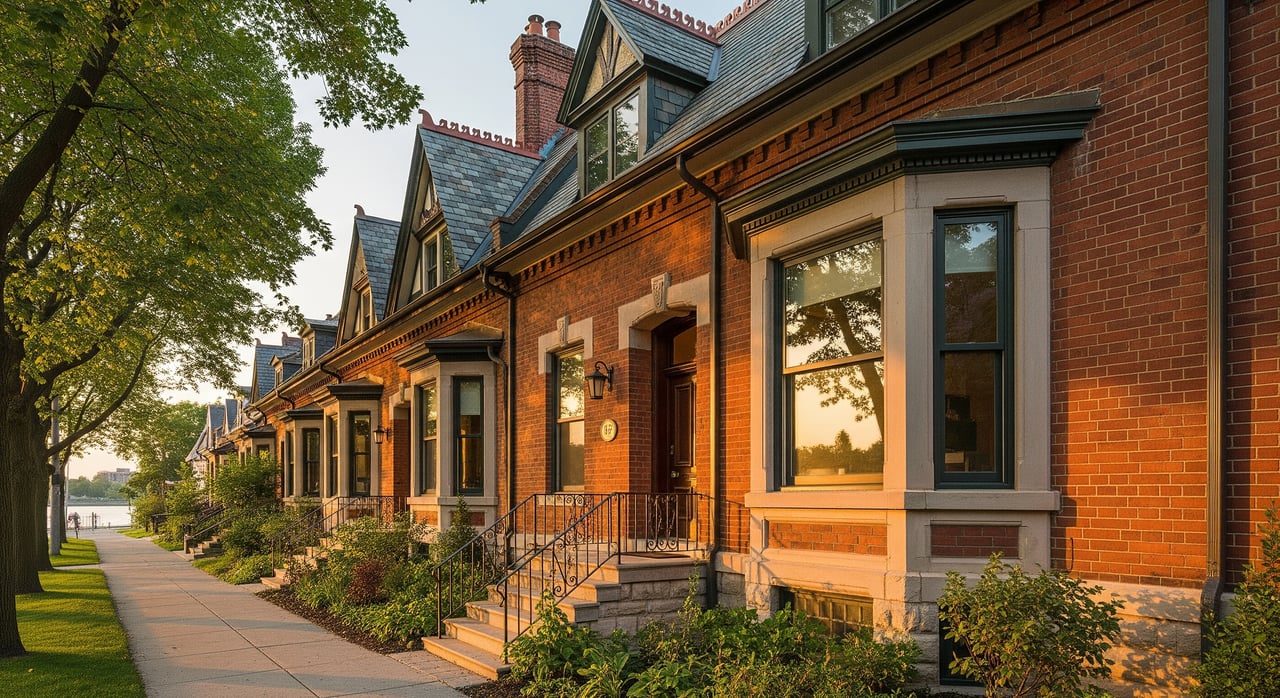
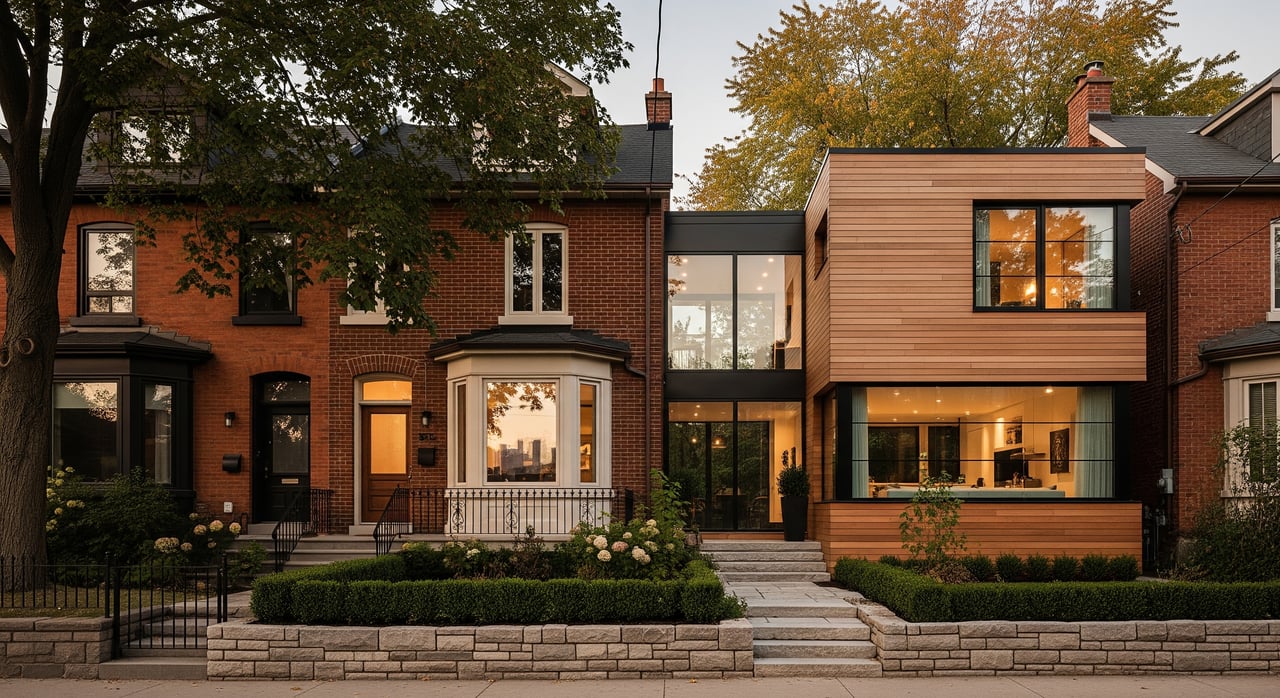
You will see a mix of heritage and contemporary homes throughout Riverside.
- Historic red-brick Victorians and Edwardians with bay windows, high ceilings, and front porches.
- Narrow workers’ cottages on 25 to 30 foot lots, sometimes shallow or irregular near ravines.
- Renovated heritage houses with open-plan interiors and modern rear additions.
- Newer three-storey infills and townhomes, sometimes with rooftop terraces.
- Secondary suites are common, including basement apartments and laneway or coach houses where permitted.
What this means for you:
- Expect some renovation needs in older homes, such as kitchens, electrical, insulation, or HVAC.
- Lot width and heritage rules can limit how you expand. Rear or rooftop additions are typical where zoning allows.
- If a lot backs onto an alley, consider whether a laneway suite might be possible. Check for heritage conservation rules before planning exterior work.
Commute and getting around
Riverside preserves reasonable travel times to downtown for most commuters.
- Transit: The 501 Queen streetcar runs along Queen East and connects into the core. Line 2 subway stations like Broadview and Pape are a short walk north in parts of South Riverdale and provide quick east–west access.
- Bike: Cycling to the core often takes 15 to 25 minutes, depending on your exact route and comfort level. Nearby trails link into the Lower Don network for active commutes.
- Drive: You can reach the Don Valley Parkway and Gardiner via Eastern, King, or Queen. Expect typical urban congestion at peak times.
- Parking: On-street permit and pay parking are common. A private driveway or garage is a strong value add.
If you rely on transit, test door-to-door timing for your workplace during your usual commute windows before you make an offer.
Weekend lifestyle and amenities
Queen East shines on weekends with independent cafés, brunch spots, bakeries, small grocers, and boutiques. The strip has a lively street life with patios and local retail that can easily replace condo amenity rooms.
For green space, you will find Riverdale Park and Riverdale Farm to the north, Withrow Park nearby, and smaller playgrounds and splash pads scattered through the area. The Don Valley system offers trails and nature access that families use year-round.
For schools and childcare, the Toronto District School Board manages local public schools, with French-language and private options available citywide. Catchment boundaries vary block by block and capacities change. Verify the exact school for a property address and plan early for daycare placement.
Market basics and timing
Riverside family homes are often in short supply compared to demand, especially near Queen and Broadview where retail and transit access are strong. Well-renovated houses tend to draw attention.
Market activity in Toronto typically rises in spring with more listings and more competition, then quiets in late fall and winter. If you want maximum choice, spring can be productive. If you prefer less competition, late fall or winter can help. Your strategy should match your timing flexibility and budget.
If you plan to buy first, ensure you can carry two properties or arrange bridge financing. If you sell first, build a plan for temporary housing or a rent-back so you avoid rushed decisions.
How to sequence your move
There is no one-size-fits-all approach. Choose the path that controls risk and reduces stress for your household.
Sell first, then buy
- Pros: You become a stronger buyer with cash in hand, and you avoid carrying two properties.
- Cons: You may need short-term housing and careful move-out planning for your condo elevator and booking windows.
Tips: Consider a rent-back from your condo buyer so you can remain in place briefly after closing. Match your house search to that timeline.
Buy first, then sell
- Pros: You can secure the house you love and line up a single, smooth move.
- Cons: You may carry two mortgages and duplicate costs unless you use bridge financing or have enough equity.
Tips: Conditional offers are common but less attractive to sellers. Keep conditional periods short, and work with your lender early so you can move fast.
Subject-to-sale offers
A subject-to-sale condition can protect you if your condo has not sold yet. It can also weaken your offer in competitive situations. If you use this path, time frames should be tight and coordinated with your listing plan to keep your offer appealing.
Practical ways to avoid a double move
- Bridge financing: Short-term financing lets you use equity from your condo sale for the house down payment before your sale closes. Costs and terms vary by lender.
- Mortgage portability: Some mortgages can be transferred to the new property, subject to lender rules and qualification for any increase.
- Early access: With a written agreement, you may bring contractors in before closing to complete minor updates. This reduces time in temporary housing.
- Rent-back: If you sell first, you can rent the property back for a fixed period after closing. If you buy first, offering a rent-back to the seller can make your offer more attractive.
All early access or rent-back arrangements should be documented in writing and reviewed with your real estate lawyer, including insurance and any holdbacks.
Due diligence for older homes
Older houses can be beautiful and solid, but they require targeted inspections.
Inspections to prioritize
- General home inspection that covers structure, roof, electrical, plumbing, HVAC, and insulation.
- Sewer line video scope, especially for older clay or iron pipes and lots with mature trees.
- Hazard checks for potential knob-and-tube wiring, asbestos, or lead paint where suspected, with specialist follow-up as needed.
Zoning, heritage, and additions
- Heritage overlays and conservation districts can limit exterior changes. Confirm whether the address appears on the City’s heritage registers.
- Additions, laneway suites, or lot severances must comply with zoning bylaws. Many projects require committee of adjustment approvals.
- If the property is near the Don River or a ravine, check for conservation authority rules and floodplain constraints before planning additions.
Closing and condo logistics
- If you are selling a condo, order the status certificate early. Elevator bookings, moving fees, and insurance certificates need advance scheduling.
- Align closing dates with any rent-back or early access agreements and ensure your lawyer coordinates funds, title, and insurance.
Smart budget and financing
Upsizing involves more than the purchase price. Build a complete budget early.
Carrying costs to plan for
- Mortgage payments on two properties if you buy first.
- Property taxes, insurance, utilities, and maintenance on both homes during any overlap.
Bridge financing and portability
- Bridge loans can help cover the down payment on your house before your condo sale funds arrive. Approval depends on your lender, credit, and equity.
- Mortgage portability may let you transfer your existing rate and terms to the new property, with qualification for any increased amount.
Closing costs in Toronto
- Land transfer tax applies at both the provincial level and the City of Toronto municipal level.
- Legal fees, title insurance, adjustments, and potential HST on certain new construction should be part of your plan.
Your 90-day upsizing plan
A clear timeline reduces stress and keeps your move on track.
3 to 6 months out
- Get mortgage pre-approval for your target range.
- Meet an East End agent who knows both downtown condos and Riverside houses.
- Outline your must-haves and nice-to-haves, and consider renovation scope you can handle.
6 to 8 weeks out
- If selling a condo, order the status certificate early and book the elevator.
- If buying first, confirm bridge financing or porting with your lender.
- Start packing non-essential items and reserve movers and storage if needed.
2 to 4 weeks out
- Set closing dates that fit your sequence plan. Arrange any rent-back or early access agreements in writing.
- Set utility transfers and home insurance start dates.
Closing day
- Your lawyer handles funds and title. Pick up keys and confirm move logistics.
First month in the new home
- Update your address, enroll children in school programs, set up waste and green bin schedules, and apply for parking permits if required.
Quick checklist
- Pre-approval, bridge loan, and portability conversations with your lender
- Status certificate for condo sellers
- Home inspection and sewer scope
- Heritage and zoning checks, plus permit history
- Written early access or rent-back agreements if needed
- Elevator booking, mover deposits, and storage reservations
- Budget for land transfer tax, legal fees, and carrying costs
How we help
You want a bigger home without derailing your day-to-day life. Our approach is built for that. We pair deep Riverside knowledge with principal-led guidance so you move once, negotiate well, and land a house that fits your life.
- Buyer representation with off-market and early-access sourcing so you see more of the right homes sooner.
- Strategy and negotiation that align timing, conditions, and closing dates with your sale plan.
- Design-informed advice for minor updates, early access planning, and vendor referrals so move-in is smoother.
- Full seller services when you list your condo, including presentation, staging, marketing, and project management that reduces stress.
Ready to map your upsizing plan in Riverside? Connect with Jenny and Shane for a quick, focused consult.
FAQs
What should a condo owner know before buying a Riverside house?
- Prioritize a full home inspection and sewer scope, confirm zoning and heritage considerations for renovations, and test your exact commute times door to door.
How long is the commute from Riverside to downtown Toronto?
- Depending on location and mode, typical commutes range from about 20 to 45 minutes using the Queen streetcar, Line 2 subway connections, cycling, or driving.
What are typical housing types in Riverside-South Riverdale?
- You will find historic Victorians and Edwardians, workers’ cottages on narrow lots, renovated heritage homes with modern additions, and newer infills and townhomes.
How do I avoid carrying two homes when upsizing?
- Consider selling first and negotiating a rent-back, or speak with your lender about bridge financing and mortgage portability to cover the timing gap.
Are laneway suites possible behind Riverside homes?
- Many properties have laneway or coach-house potential, but you must verify zoning and any heritage restrictions for a specific address before planning a build.
How should I time my sale and purchase in Toronto’s market?
- Spring brings more listings and competition, while late fall and winter are calmer. Choose the season that best matches your timeline, budget, and risk tolerance.