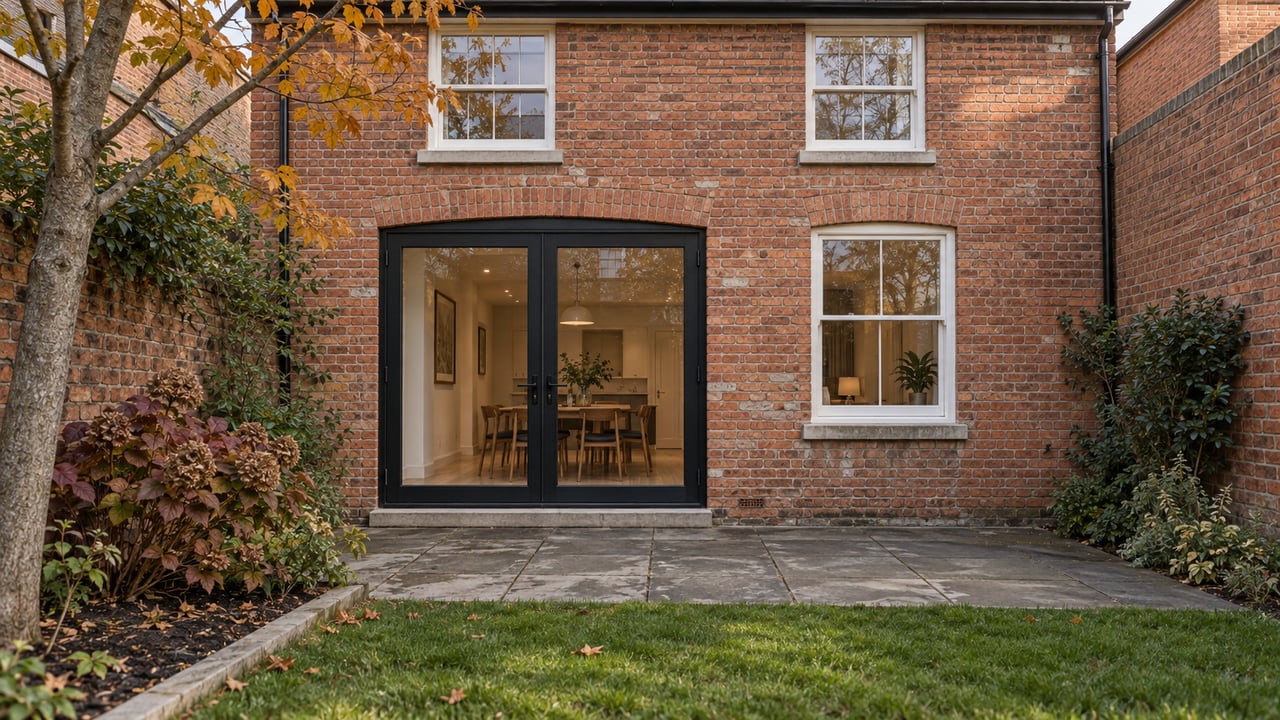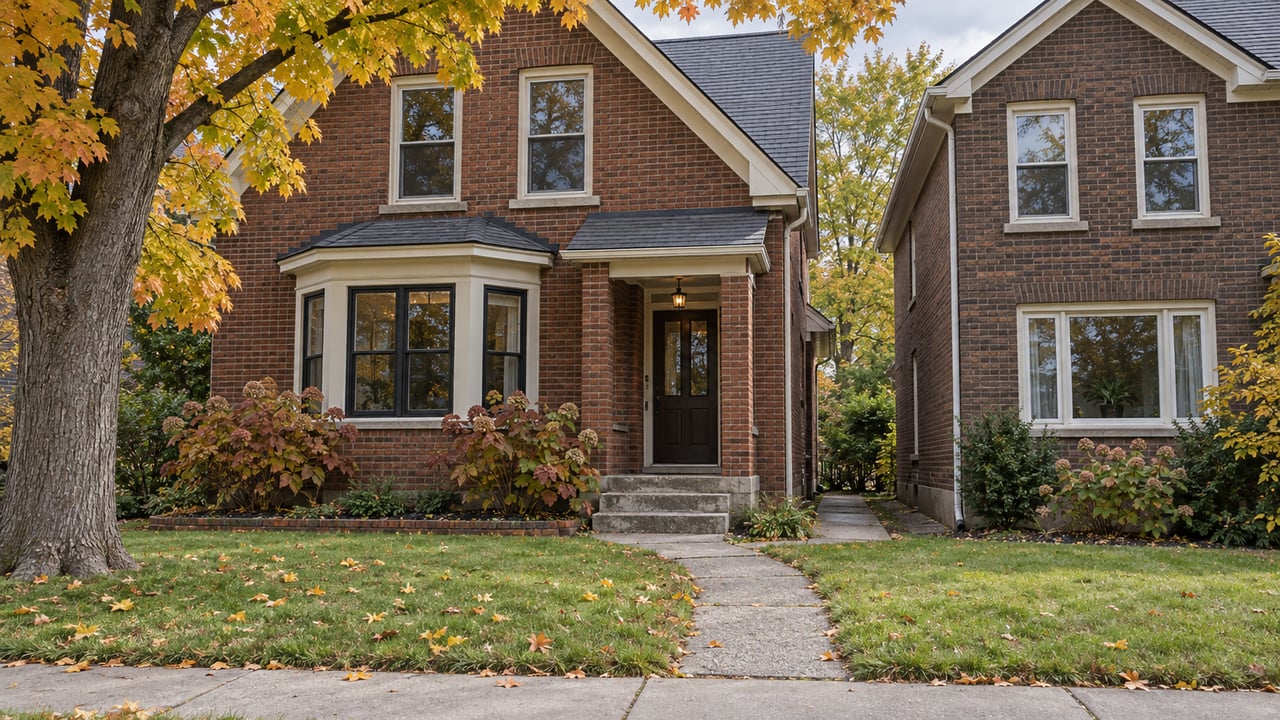
Earlier this year, a two-bedroom semi in Toronto's east end was listed at around $799,000 and drew four offers on offer night. The sellers rejected all four. The buyer we represented had the highest bid, and after 24 hours of negotiating, the two sides still couldn't agree. "Our buyer decided she didn't want to be pushed that much and walked away," Shane told The Globe and Mail in June. "Buyers will dig their heels in."
A few days later the house was back on the market at more than $949,000. Shane estimated it would sell in the low $900,000s.
That relisting shows what an asking price is in this part of the city. The $799,000 was never the sellers' idea of the home's value. It was a lure for offer night. Once you see asking prices that way, the most-quoted number in Leslieville real estate means something different.
The over-asking number measures the list price
The Toronto Regional Real Estate Board puts Leslieville and South Riverdale in district E01. In September 2026, the latest month of TRREB data when this went to press, E01 semi-detached homes sold for an average of 113% of their list price, and they sold in an average of 12 days. On a typical list price, that's a 13% premium, the kind of result that gets screenshotted and passed around a street.
In the same report, TRREB's MLS Home Price Index put E01's benchmark single-family attached home at $1,185,200 in September 2026. The report puts that at 5.6% lower than a year earlier.
The two numbers fit together once you look at what each one measures. The benchmark tracks what a typical home of a given type is worth, holding features roughly constant. Sale-to-list measures how far the final price landed from the asking price. Lower the asking price and that percentage climbs, whatever the home is worth. A district can post 113% of list while values drift down, as long as sellers keep listing below where they expect to land.
The raw sales tell the same story:
| Toronto E01 semi-detached | September 2025 | September 2026 |
|---|---|---|
| Sales | 20 | 28 |
| Average price | $1,321,214 | $1,286,913 |
| Median price | $1,325,000 | $1,257,500 |
Sales were up 40% year over year, and every price measure was down. In September 2026, E01 had 57 new semi listings and 46 active ones against those 28 sales, which is a tight market by any measure. So the competition is real. The premium shows up in the gap between asking and sold, and the price level beneath it keeps easing.
E01 also stands out against the rest of the city. In September 2026, semis across the City of Toronto sold at 104% of list in 21 days, and the Toronto East district group averaged 108%. Leslieville's offer-night habit runs stronger than most of Toronto's.
Leslieville's condos turn the averaging problem upside down
Condo apartments in the same district show how much a headline number depends on what it counts. In September 2026, E01 condo apartments had an average price of $927,946 and a median of $795,000. Measured against September 2025's $689,071 average and $644,000 median, that's a 34.6% jump in the average and a 23.4% jump in the median.
TRREB's September 2026 report shows the benchmark E01 apartment down 4.47% year over year, to $595,300.
Both of those Septembers had only 14 condo sales. With so few, an average swings on which units happened to close. A few larger suites in Leslieville's mid-rise buildings can push it up even while comparable units lose value. Across the City of Toronto, the condo median fell from $585,000 to $535,000 between September 2025 and September 2026.
Condos also sell at a different pace. In September 2026, E01 condo apartments sold at 97% of list in an average of 34 days, with 59 active listings for 14 sales. Regional supply is part of the reason. Urbanation's Q3 2026 report counted 5,127 completed-and-unsold new condo units across the GTHA, 40% more than a year earlier. With that much choice, condo buyers negotiate down from asking, and a below-market list price draws fewer bidders.
The same district, then, has two different ways of setting prices. Semis compete on offer night, and condos are negotiated over weeks. On paper, each segment's headline number points one way while its benchmark points the other.
An offer night either works or it fails
When the strategy works, it looks like a June sale on Parkmount Road in Greenwood–Coxwell, just east of Leslieville. Toronto Life reported that the 3+1-bedroom semi was listed on May 26 at $1,099,900, with an offer date the following week. It had 38 confirmed showings and another 19 parties at the open houses. On June 2 it received seven bids and sold for $1,412,000. According to Toronto Life, the home was deliberately priced below market value to create a bidding war, with a target of around $1.4 million.
That's a 28% premium over asking that landed almost exactly where the sellers expected. The sale price matched the plan, and the list price was the tool for getting there.
The semi in our opening story shows the same tool failing. Four buyers turned up, but none would pay what the sellers had in mind, and the sellers ended up relisting at a price closer to the home's real value. Shane told The Globe and Mail that a few weeks earlier, the same house would likely have drawn multiple offers and a substantial premium. A below-market list price only works if enough buyers show up willing to bid past it, and how many show up can change within a few weeks.
That caution hasn't gone away. A Toronto agent interviewed by CBC Toronto in late August put it this way: "There's a lot of caution. There's a lot of concern about overpaying." For an offer night, that caution shows up as fewer bidders, or as bidders who refuse to go past their own number.
The rules behind an Ontario offer night
The Real Estate Council of Ontario sets out how competing offers work under the Trust in Real Estate Services Act. Its current guidance took effect December 1, 2023. Here are the points that come up most around offer night:
- Number of offers. The seller's brokerage must tell everyone who has submitted a written offer how many competing written offers there are, according to RECO Bulletin 4.1.
- Offer contents. A seller may direct in writing that all or some of the offer contents be shared with every buyer who made an offer, including price or other terms. Identifying or personal information is never shared. The seller can change that direction, and buyers don't have to be told in advance that contents may be shared.
- Buyer expectations. RECO's guide to competing offers for buyers says buyers shouldn't assume competing offers will be shared, and that a seller may decide to share them at any time.
- Holding offers. Under RECO Bulletin 4.2, an agent needs clear, detailed written direction from the seller before holding offers until a set date. RECO lists the risks as buyers who won't wait and an offer date that passes with no offers. It also states that no pricing strategy guarantees multiple offers or the highest price.
- Bully offers. RECO Bulletin 4.3 defines a pre-emptive offer as one that doesn't follow the seller's stated process. The seller's instructions for handling one must be specific and in writing, and if the process changes, interested parties must be notified.
This is general information, not legal advice, and your own lawyer and agent should confirm how these rules apply to your sale or purchase.
What this means for a Leslieville seller's number
Nothing in the rules or the data says a below-market list price is a mistake. It's a bet that enough buyers will compete. The 113% average tells you how far E01 semis sold above their list prices in September 2026. It doesn't tell you a semi on your street gained value. The benchmark, down 5.6% year over year in TRREB's September 2026 report, is a better guide to where your sale price is likely to land.
In practice, a seller planning an offer night needs two numbers before listing. One is the list price, chosen to bring in a crowd. The other is the price they would actually accept, based on recent comparable sales rather than headline premiums. The Parkmount sale went smoothly because those two numbers were set apart on purpose, with a target worked out in advance. The east-end semi in our opening story stalled when the sellers' expectations ended up above every offer on the table.
Buyers can read the same data. When a Leslieville semi is listed below the benchmark and holds an offer date, the list price tells you very little. What matters is how close the home sits to the benchmark and how its recent comparables traded.
A few questions we hear
Does a high sale-to-list ratio mean prices are rising? Not in E01 right now. In September 2026, semis averaged 113% of list while the single-family attached benchmark was 5.6% below a year earlier.
Why did Leslieville condo prices jump while the benchmark fell? Each September had 14 condo sales, so the average moves with the mix of units that sold. The benchmark apartment fell 4.47% year over year.
Can a seller tell me what the other offers say? Only if the seller has given written direction to share contents, and identifying information is never shared, according to RECO.
Thinking about an offer night for your Leslieville semi, or about to bid on one? We'll go through where the benchmark sits for your street, which recent sales actually compare, and whether a below-market list price makes sense for your home. Jenny and Shane will give you both numbers before anything goes on MLS. Book a 15‑minute consult with Jenny & Shane.