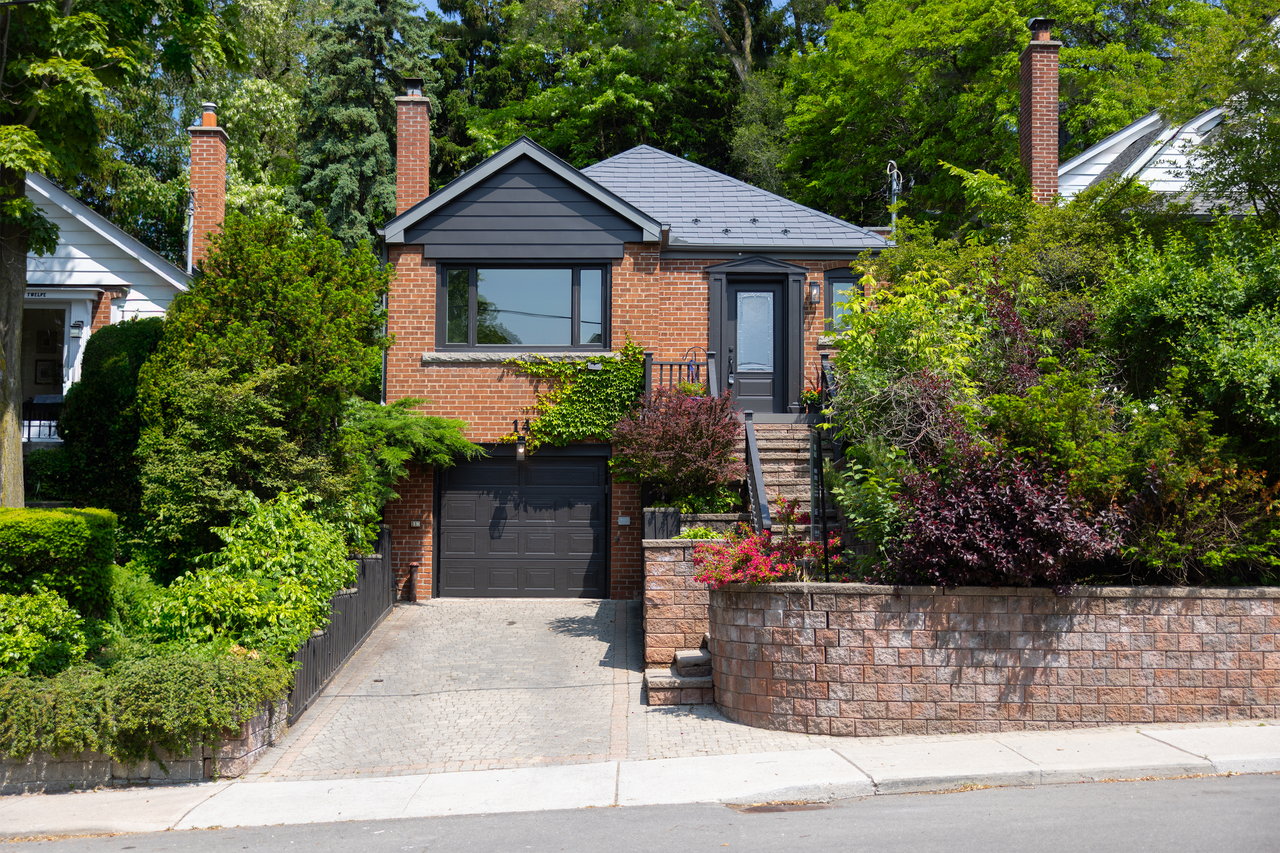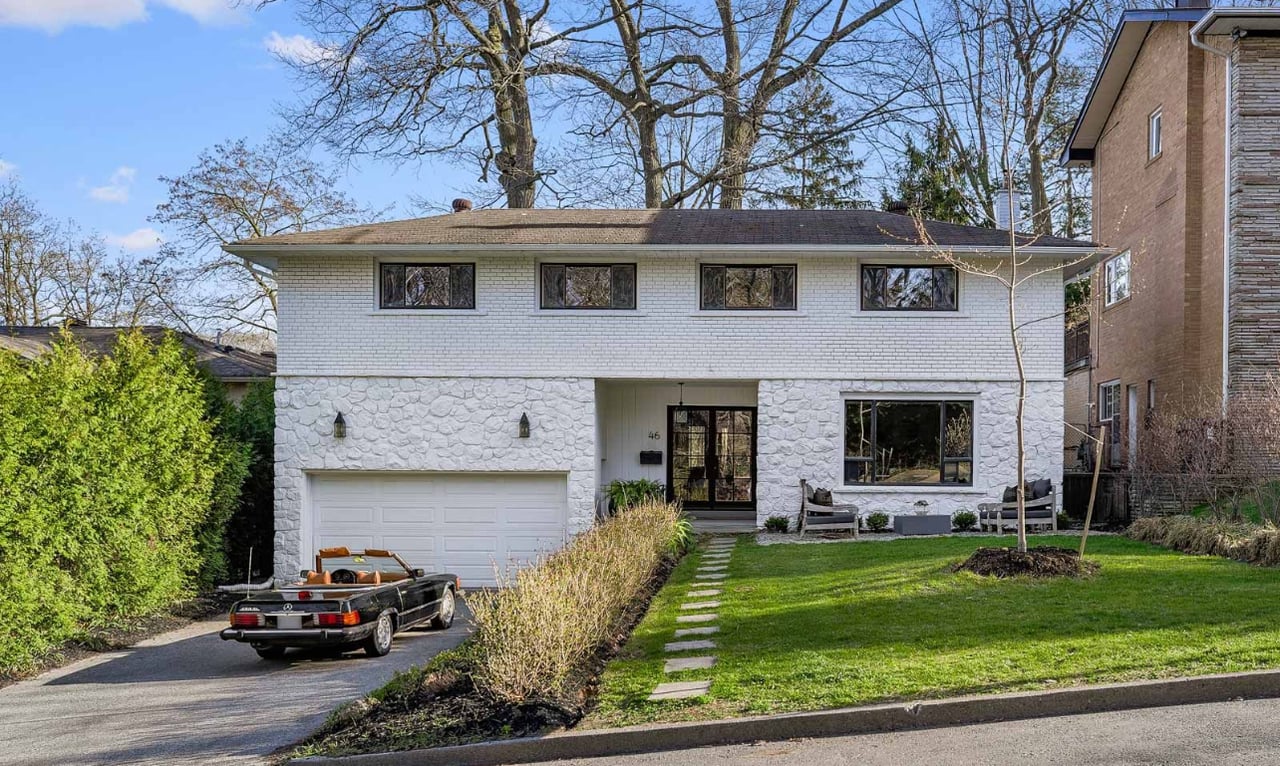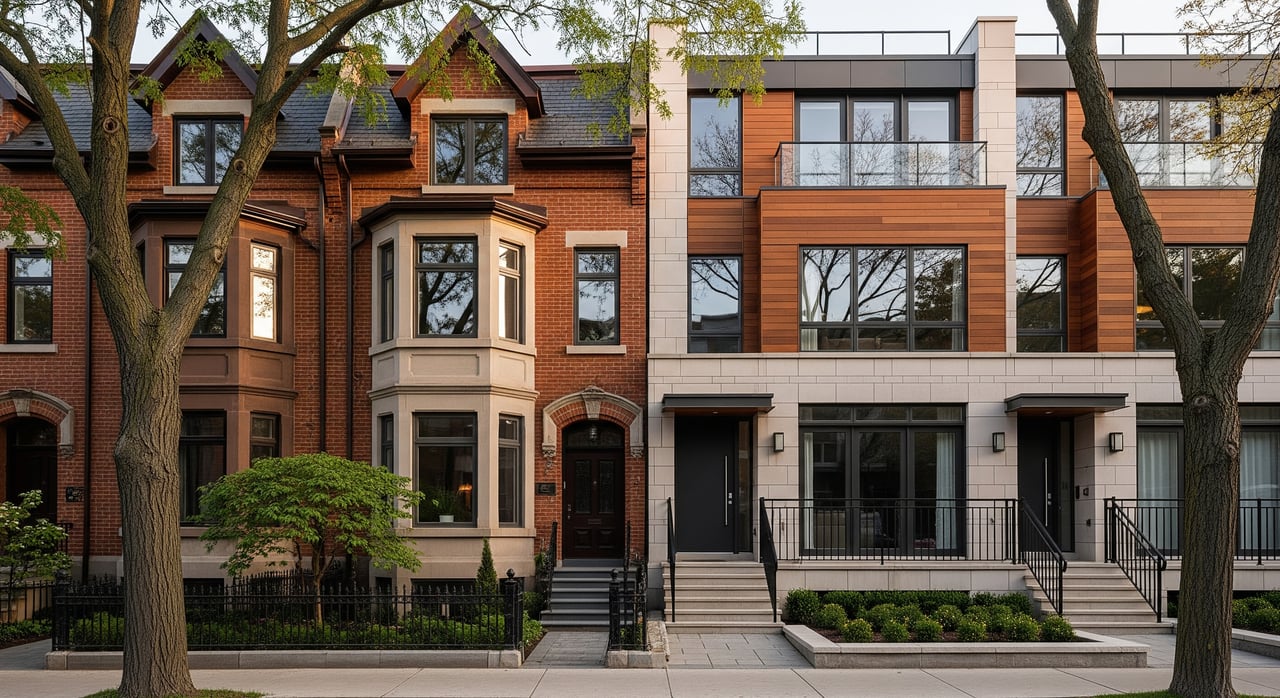
Torn between a freehold and a condo townhome in the Upper Beach? The right choice comes down to how you want to live, what you want to maintain, and how you want your monthly costs to look. In this guide, you will learn the ownership differences, true carrying costs, resale considerations, and lifestyle fits specific to the Upper Beach. You will also get a simple checklist you can use on any listing. Let’s dive in.
Upper Beach snapshot for townhome buyers
The Upper Beach sits just north of Queen St. E., from about Woodbine and Coxwell to Victoria Park. You will find tree-lined streets, character homes from the early 1900s, and newer low-rise and infill projects tucked into calm residential blocks. That mix draws young families and professionals who want a neighbourhood feel with quick access to parks, shops, and the lake.
You are close to Kew Gardens and the Woodbine Beach area to the south, plus cafes and independent shops along Queen St. E. Transit is straightforward with TTC surface routes and the Queen streetcar, and cycling or a short bus ride connects you to subway and commuter lines. Daily life is convenient without giving up that quieter east-end vibe.
Freehold vs condo townhome: what you own
Freehold townhome ownership
With a freehold townhome, you own the home and the land beneath it. You are responsible for exterior maintenance, repairs, landscaping, snow clearing on your property, and full building insurance. Municipal property taxes are billed directly to you.
This model gives you control over your exterior and yard. You decide when and how to handle repairs and upgrades, and you are not paying monthly condo fees. The tradeoff is that costs can be less predictable year to year.
Condo townhome ownership
With a condo townhome, you own your unit and often have exclusive use of a small yard, patio, or balcony. The condominium corporation owns and maintains common elements such as the roof, exterior walls, shared driveways, and any amenities. You pay recurring condo fees to cover operations, reserve fund contributions, building insurance for common elements, and any included utilities.
Condo communities in Ontario are governed by the Ontario Condominium Act, 1998. Key buyer protections include the requirement for a status certificate, which discloses reserve fund health, rules, arrears, lawsuits, and other material items. You can learn more through the Condominium Authority of Ontario, including what a status certificate includes and why it matters.
Costs: how to compare apples to apples
Upfront purchase costs
- Purchase price. In many Toronto neighbourhoods, freehold townhomes often command higher prices than comparable condo townhomes because the land is included. Micro factors still matter. Street, finishes, parking, and lot size can blur that gap.
- Land transfer tax. In Toronto, you pay both provincial and municipal land transfer taxes. First-time buyer rebates may apply.
- New build warranty. Newly built freehold or condo units may be covered by Ontario’s new home warranty program. Coverage details vary by product type, so confirm specifics with Tarion.
Monthly and annual carrying costs
Look at the full picture: mortgage, property tax, insurance, utilities, and condo fees if any.
- Condo fees. These fund day-to-day operations and long-range replacement of common elements. Fees can cover building insurance for common areas, exterior maintenance, landscaping, snow removal on shared driveways, garbage, management, and sometimes utilities like water or heat. Do not just compare the dollar amount. Compare what is included, the reserve fund level, and the history of special assessments.
- Property taxes. Both freehold and condo owners pay municipal property tax based on assessed value. For rates and billing details, see the City of Toronto’s property tax page.
- Insurance. Freehold owners insure the full building and contents. Condo owners buy a unit policy for contents and improvements, while the condo corporation carries a master policy for common elements. Ask what the master policy covers and whether deductibles can be charged back to owners.
- Utilities. Some condo fees include water or heat. Freehold owners typically pay all utilities directly. Always verify what each listing includes.
Maintenance and capital planning
- Freehold. You plan and pay for exterior work, from roofs to fences and driveways. Costs can be lumpy but you control the timing and scope.
- Condo townhome. The corporation plans exterior repairs and replacements, funding them through the reserve fund and fees. Owners have less direct responsibility for the exterior, but underfunded reserve funds can lead to special assessments. Review the status certificate and reserve fund study for insight. The Condominium Authority of Ontario explains what to look for.
Financing and mortgage checks
Mortgage qualification rules and stress testing apply to both freehold and condo purchases. For consumer-friendly guidance, start with the Financial Consumer Agency of Canada. Lenders sometimes review condo corporation health, including the reserve fund, litigation, or high rental ratios, before approving a condo mortgage. For broader policy context, see OSFI.
Resale and marketability in the Upper Beach
Freehold townhomes often attract families who value a private yard, storage, and long-term land ownership. Condo townhomes tend to appeal to first-time buyers, downsizers, and professionals who want lower maintenance and predictable exterior costs.
Historically, freehold properties have often appreciated faster because land value is a larger driver, although neighbourhood demand and market cycles can shift results. Condo townhomes can see strong appreciation where low-rise supply is limited and land is scarce. For high-level Toronto trend context, consult TRREB market reports.
For condo townhomes, buyers and sellers focus on documents. A current status certificate, reserve fund study, recent meeting minutes, and any record of special assessments can materially affect value and buyer confidence. For freehold, lot size, usable outdoor space, garage or driveway parking, structural condition, and the permit history for any renovations can influence resale.
Layouts and lifestyle fit
Why families lean freehold
Freehold townhomes often offer more storage and flexible layouts, with private yards and the possibility of laneway garages or driveway parking depending on the lot. You typically have more freedom to renovate or add rooms, subject to zoning and permits. That flexibility can help as your household changes.
Why professionals lean condo townhome
Condo townhomes keep exterior maintenance simple, which is appealing if you want a lock-and-leave lifestyle with predictable monthly costs. Many have private entrances and multi-level floor plans that maximize interior space, plus small patios or exclusive-use yards. Stacked formats exist too. They trade larger outdoor space for lower maintenance.
Parking and storage tradeoffs
Many buyers prioritize private parking. Freehold properties often have more options for driveway or garage parking, while condo townhomes vary and may have assigned parking or none. Storage tends to be better in freehold homes, especially with basements or attics.
Quick comparison: which one fits you?
| Factor | Freehold Townhome | Condo Townhome |
|---|---|---|
| Ownership | You own the home and land | You own the unit; common elements are shared |
| Exterior maintenance | You plan and pay for all exterior work | Corporation handles exterior and common areas |
| Monthly fees | No condo fee | Condo fee funds operations and reserve |
| Insurance | Full building plus contents | Unit policy for contents and improvements; corporation insures common elements |
| Outdoor space | Often larger private yard | Small patio or exclusive-use yard typical |
| Parking potential | Often driveway or garage options | Assigned, underground, or none depending on building |
| Renovation flexibility | Greater control, permits still required | Interior updates possible, common areas and exteriors restricted |
| Predictability of costs | Can vary with big-ticket items | More predictable for exteriors, risk of special assessments |
| Typical buyer fit | Families seeking space and control | First-time buyers, professionals, downsizers seeking low maintenance |
Due diligence checklist before you offer
Use this shortlist for any Upper Beach listing you are considering.
For any property
- Pull recent comparable sales for similar townhomes on nearby streets. Confirm days on market and any patterns in pricing.
- Review disclosures, permits for renovations, and receipts for significant work.
If it is a condo townhome
- Request the status certificate. Review reserve fund balance, last reserve fund study, any arrears in common expenses, litigation, insurance deductibles, contingency funds, and the corporation’s rules on pets, rentals, and renovations. The Condominium Authority of Ontario outlines what this covers.
- Ask for the last 2 to 3 years of financial statements and board meeting minutes. Look for recurring deficits, major one-time expenditures, and any planned fee increases.
- Clarify what the fee includes, the current dollar amount, any scheduled increases, and owner-occupancy versus rental ratios.
If it is a freehold townhome
- Confirm the current property tax bill and typical utility costs for similar homes. Check for any municipal property standards orders.
- Inspect roof, foundation, drainage, HVAC, and look for any history of basement water or pest issues.
- Verify permits for renovations and ask about any open or recent building permits. Understand zoning and the potential for nearby infill or laneway development.
Financing and insurance
- Get pre-approval that accounts for the specific property type. For condos, ask your lender if any corporation red flags could affect approval.
- Obtain insurance quotes. Freehold requires full building coverage. Condo owners need unit policies that fit the corporation’s master policy and deductibles.
Practical living checks
- Confirm storage, bike and stroller access, garbage and recycling pickup, parking details, and walking times to grocery, parks, and transit.
- If schools matter to you, verify catchment details directly with the school board.
How we help you decide
Choosing between freehold and condo townhomes is part math, part lifestyle. We bring hyper-local Upper Beach knowledge and a clear process to help you compare true carrying costs, review critical documents, and pressure test the lifestyle fit. For condo purchases, we coordinate status certificate and reserve fund reviews with your lawyer. For freehold, we line up trusted inspectors and trades so you know what is coming.
As a boutique, principal-led team, we also source off-market and early-access opportunities, and we negotiate with a sharp focus on value. When it is time to sell, our design-led staging and project management help your property show its best and sell for more. Ready to take the next step? Reach out to Jenny and Shane for a calm, strategic path to your Upper Beach move.
FAQs
Which is cheaper monthly in the Upper Beach, a freehold or a condo townhome?
- It depends on the total carrying cost, since condo townhomes add condo fees while freeholds avoid fees but take on full maintenance, so compare mortgage, taxes, utilities, insurance, and fees line by line.
Are condo fees worth it for Upper Beach buyers?
- They can be if you value predictable exterior upkeep and shared services, so check what the fee covers, the reserve fund health, and the history of special assessments before you decide.
Which option is better for Upper Beach families with young kids?
- Many families prefer freehold townhomes for private yards, storage, and renovation flexibility, though larger condo townhomes with exclusive-use outdoor space can also work depending on your needs.
Do Upper Beach condo townhomes limit renting or pets?
- Condo corporations set rules on rentals and pets in their bylaws and rules, so review the status certificate and building rules to understand any restrictions before you commit.
Can I get a mortgage on a Toronto condo townhome?
- Yes, but lenders may review the condo corporation’s financials and governance, so items like reserve fund strength, litigation, or high rental ratios can affect approval.