Thinking about selling your Beaches home? In this part of Toronto, the difference between a rushed listing and a well-planned one can be significant. If you want a smoother process, stronger buyer interest, and a launch that reflects your home at its best, a step-by-step plan matters. Here’s how to prepare strategically and move from early planning to listing day with confidence. Let’s dive in.
Start With Your Timeline
One of the biggest mistakes sellers make is treating listing as a single date instead of a multi-stage process. In The Beaches, where much of the housing stock is older and owner-occupied, condition, presentation, and documentation can all shape how buyers respond.
A realistic timeline also helps if your sale needs to line up with another move. RECO recommends thinking early about whether your sale closing date will align with the purchase of your next home, and having a backup plan in case those dates do not match.
Plan 6 to 12 Months Ahead
If you have the luxury of time, use it. The early stage is less about paint colors and more about getting organized so you can make calm, informed decisions later.
Start by gathering the details buyers often ask about and that support an accurate listing. That can include renovation invoices, property tax information, lot dimensions, square footage records, and a clear list of what stays with the home and what does not.
Accuracy matters. RECO advises that listing details should be supported by documentation where possible, so this is the time to track down paperwork rather than scramble for it later.
If you are not yet committed to a listing agreement, read everything carefully before signing. RECO also recommends understanding how long the agreement will be in effect and getting independent legal advice if you want a second opinion.
Focus on Smart Prep, Not Over-Renovating
Between three and six months before launch, the goal is to decide what is actually worth doing. For many Beaches homes, especially older properties with character, the best strategy is usually to repair, refresh, and simplify rather than take on a major remodel.
That approach fits the local housing stock. In the Beaches-East York ward, 55.3% of dwellings were built in 1960 or earlier, which means many homes benefit more from thoughtful presentation and maintenance than from style-specific upgrades.
CREA cautions that highly personalized renovations can narrow your buyer pool. In most cases, bringing your home back to a clean, well-maintained, broadly appealing condition is the safer move.
Updates That Tend to Help
Simple improvements often do more than expensive ones. CREA highlights practical updates that support perceived value without overcomplicating the prep process.
These may include:
- Fresh paint in simple, neutral tones
- Flooring in good condition
- Well-presented appliances
- Furniture scaled to the room size
- Minimal, clean window coverings
- Minor repairs you have been putting off
For many sellers, this is where principal-led project management can make a real difference. Instead of trying to coordinate trades, design choices, and timelines on your own, a clear plan helps keep the work focused on what is likely to matter to buyers.
Clarify Disclosure Early
Disclosure questions are easier to manage before your home hits the market. In Ontario, RECO explains an important distinction between patent defects and latent defects.
Patent defects are generally visible or discoverable during an inspection. Latent defects are not easily discovered and must be disclosed if they are dangerous, potentially dangerous, or make the home unfit for habitation.
If a property information statement is going to be used, make sure its purpose is clear. RECO notes that one version may be for internal use by the agent, while a buyer-facing version must be disclosed to interested buyers and provided on request.
Prepare the Home 30 to 60 Days Before Listing
This is the stage where your home starts to look and feel market-ready. Decluttering, simplifying room layouts, and deciding how much staging is needed can have a major effect on first impressions.
Staging should not be thought of as a luxury extra. CREA says staging can improve how a property shows and strengthen perceived value, which is especially important in a market where buyers are paying close attention to price and condition.
That matters in today’s broader GTA context. TRREB reported 6,583 sales and 17,698 new listings in May 2026, with average selling prices at $1,069,700. Sales were up year over year while new listings were down, which points to an active market, but not one where sellers can ignore presentation.
Occupied Homes Can Still Show Well
You do not need to move out for your home to make a strong impression. CREA notes that occupied homes can still show very well if they are clean, tidy, easy to access, and presented consistently online and in person.
The goal is not perfection. The goal is controlled presentation, with less visual clutter, flexible showing access, and photos that accurately reflect what buyers will see when they walk through the door.
If virtual staging is used, it should be realistic. Buyers can be disappointed when images do not match the physical space, so honesty in presentation matters.
Protect Privacy During Showings
As showings approach, think beyond aesthetics. RECO recommends removing valuables and personal information before buyers visit.
Open houses and private showings should also be planned carefully. Good showing prep supports both safety and a better buyer experience.
Price With Local Reality in Mind
Pricing is one of the most important parts of your game plan. Broad market averages can provide context, but they should never be treated as the price for your specific home.
For example, TRREB’s April 2026 Toronto East tables showed average prices of $1,180,165 for detached homes, $1,202,060 for semis, $1,121,079 for att/row/townhouses, and $511,235 for condo apartments. These are useful reference points, but they are district-wide numbers, not a pricing shortcut for a Beaches property.
The better approach is to use recent comparable sales and current market conditions. TRREB notes that the MLS Home Price Index is less volatile than average or median price measures, which can shift based on the sales mix in a given month.
Condo Sellers Need Extra Precision
If you are selling a condo in or near The Beaches, pricing and presentation deserve even more care. TRREB’s Q1 2026 condo report showed GTA condo apartment sales down 11.3% year over year, with average prices down 9.1%. In Toronto East, condo apartments averaged $526,878.
That does not mean condos are not selling. It means buyers are likely to be more selective, so careful comp selection, polished presentation, and realistic expectations matter.
Treat Launch Week Like Quality Control
Once your home is almost ready, resist the urge to rush. A strong launch starts with making sure every detail is accurate and every part of the presentation is working in your favor.
Before listing goes live, confirm:
- Listing details and measurements
- Inclusions and exclusions
- Photography and visual presentation
- Showing instructions
- Offer process and timing
This matters even more if the property will be publicly marketed. CREA’s cooperation policy says that if a property is publicly marketed, it should be placed on an MLS System within the board or association timeframe, up to a maximum of three days unless an exemption applies.
Highlight What Buyers Notice in The Beaches
In this neighborhood, exterior presentation should never be an afterthought. The Beaches has a strong lakefront identity, and the area’s outdoor lifestyle is part of what draws buyers here.
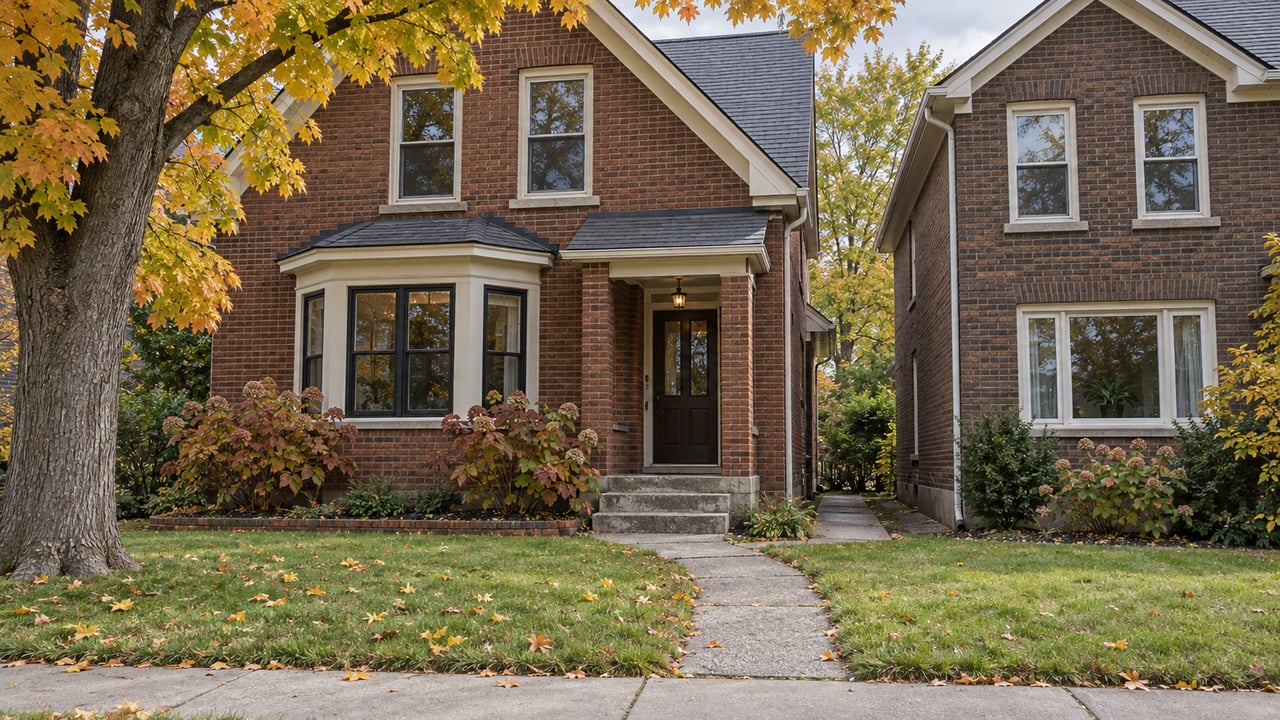
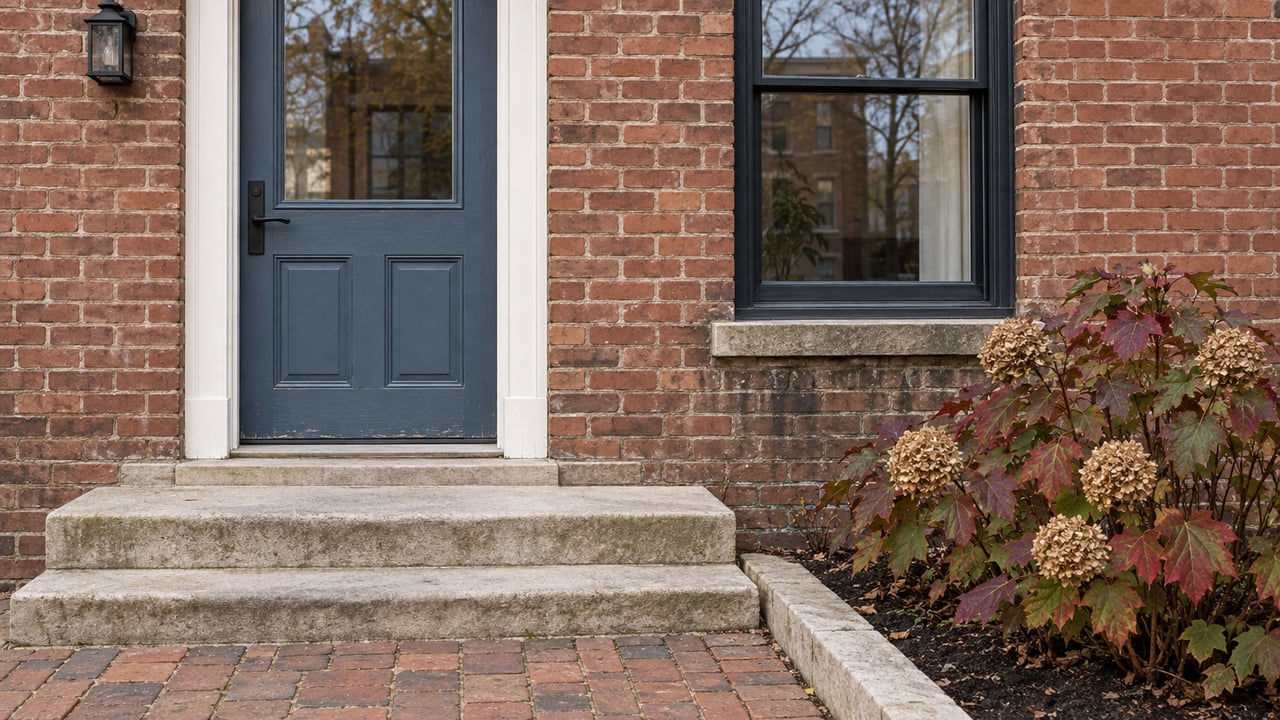
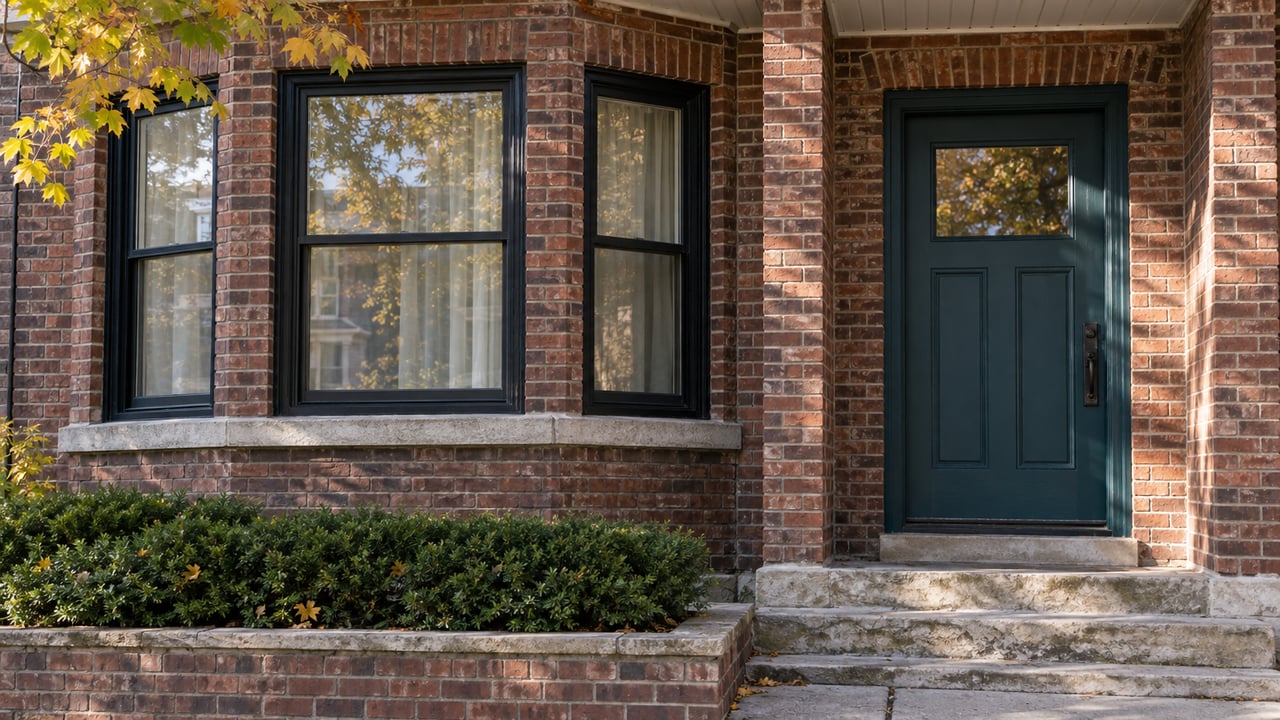
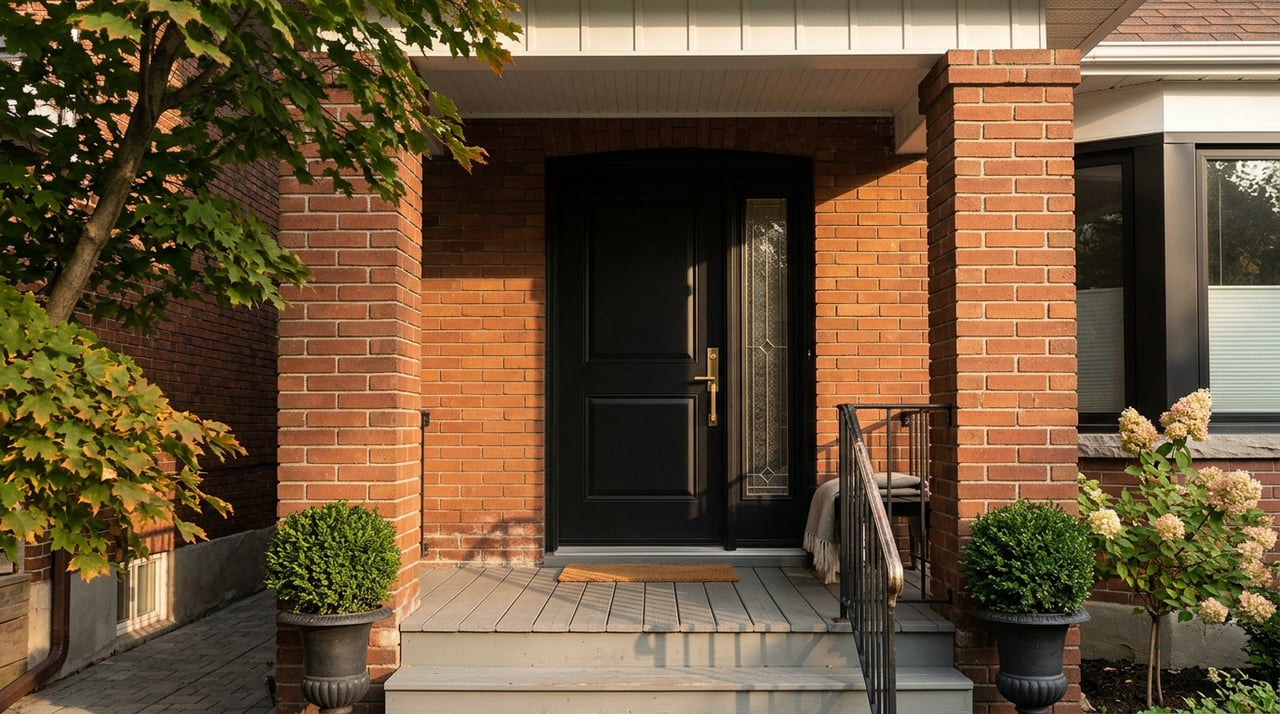
The City of Toronto describes the Beaches as a supervised swimming-beach district with Lake Ontario access. That means curb appeal, entry presentation, porches, gardens, and outdoor spaces can all help reinforce the lifestyle buyers are already hoping to find.
Inside the home, the same idea applies. Buyers often respond well to spaces that feel bright, calm, and easy to imagine living in, especially when a home has older architectural character paired with a clean, updated presentation.
Understand Offer Strategy in Ontario
By the time offers come in, the goal is clarity. RECO says that buyers who submit written offers are entitled to know the number of competing offers, while the seller decides in writing how much of the offer content, if any, is shared.
Personal or identifying information cannot be shared. RECO also notes that offers must be conveyed as soon as possible unless the seller has provided clear written direction for a delayed-offer process.
It is also worth remembering that no offer strategy is guaranteed to create competition or produce the highest price. Strong outcomes usually come from a combination of thoughtful pricing, polished presentation, broad exposure, and careful negotiation.
Why a Step-By-Step Plan Works
Selling a Beaches home is rarely just about putting a sign on the lawn. It is a sequence of decisions about timing, repairs, design, pricing, documentation, and negotiation.
When those decisions are made in the right order, the process tends to feel less stressful and the end result is often stronger. That is especially true in a neighborhood with older housing stock, distinct lifestyle appeal, and buyers who notice details.
If you want a listing plan that is thoughtful, design-forward, and grounded in the realities of The Beaches market, Jenny and Shane can help you map out the right next steps.
FAQs
What is the best timeline for listing a home in The Beaches?
- A strong listing plan often starts 6 to 12 months before launch, with early work focused on timing, paperwork, and strategy, followed by repairs, staging, pricing, and final launch prep.
What repairs should sellers make before listing a Beaches home?
- In many cases, the best pre-listing work includes minor repairs, fresh paint, flooring improvements, decluttering, and simple updates that make the home feel clean and well maintained rather than heavily renovated.
What do sellers in Ontario need to disclose when listing a home?
- In Ontario, latent defects that are dangerous, potentially dangerous, or make the home unfit for habitation must be disclosed, while patent defects are generally visible or discoverable during an inspection.
What is the best pricing strategy for a Beaches home sale?
- The best pricing strategy is usually based on recent comparable sales and current market conditions, not broad district averages alone.
Can you sell an occupied home in The Beaches successfully?
- Yes. An occupied home can show well if it is clean, tidy, easy to access, and presented consistently in photos and in person.
Are open houses worth it when selling a Beaches property?
- Open houses can be part of a listing strategy, but they should be planned carefully, with valuables and personal information removed before buyers visit.