Trying to choose between Riverdale and Leslieville? You are not alone. These two east-end Toronto neighbourhoods sit close together, but they can feel very different once you picture your daily routine, housing options, and budget. If you are deciding where you will feel most at home, this guide will help you compare the lifestyle tradeoffs in a clear, practical way. Let’s dive in.
Riverdale vs. Leslieville at a glance
Riverdale and Leslieville are both in Toronto’s east end, but they offer different day-to-day rhythms. Riverdale feels more residential and heritage-forward, with house-lined streets and major parkland nearby.
Leslieville feels more tied to its main street, with Queen Street East acting as the commercial spine. That creates a busier mix of shops, cafés, restaurants, and nightlife woven into everyday life.
If you are choosing between them, the real question is not distance. It is which balance of housing type, street energy, and green space fits the way you want to live.
Housing styles and budget
Riverdale homes feel more classic
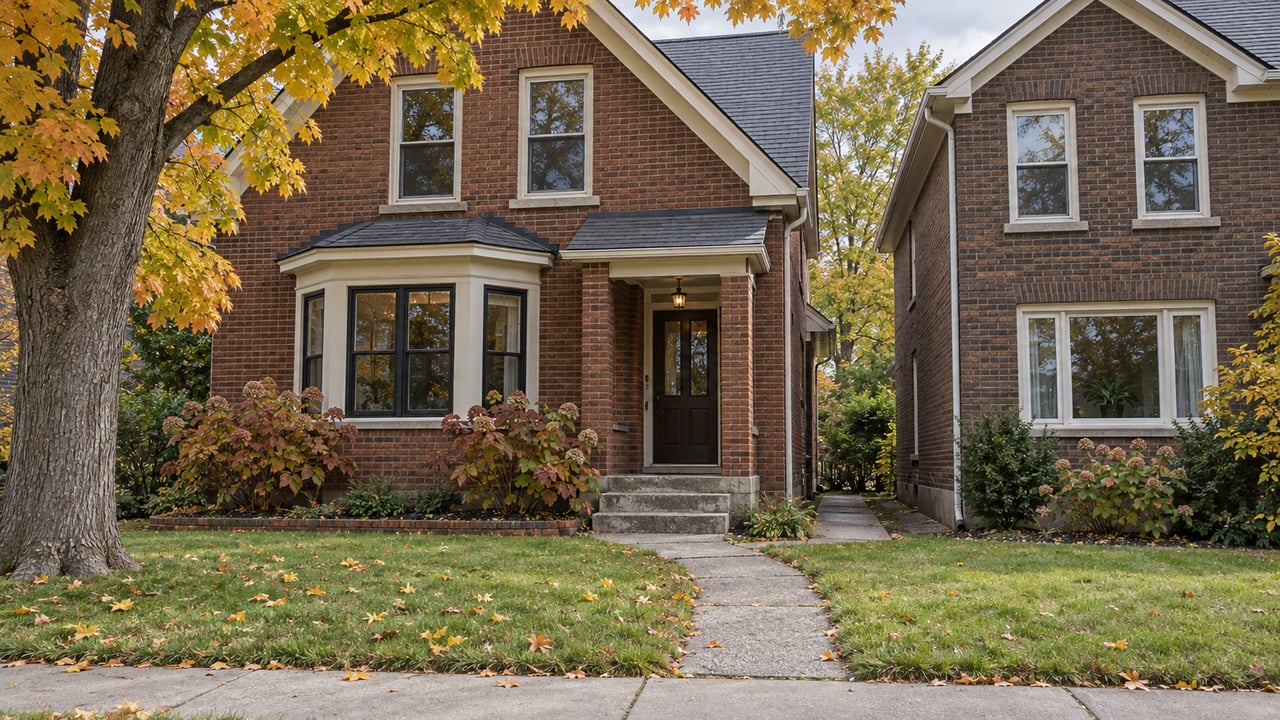
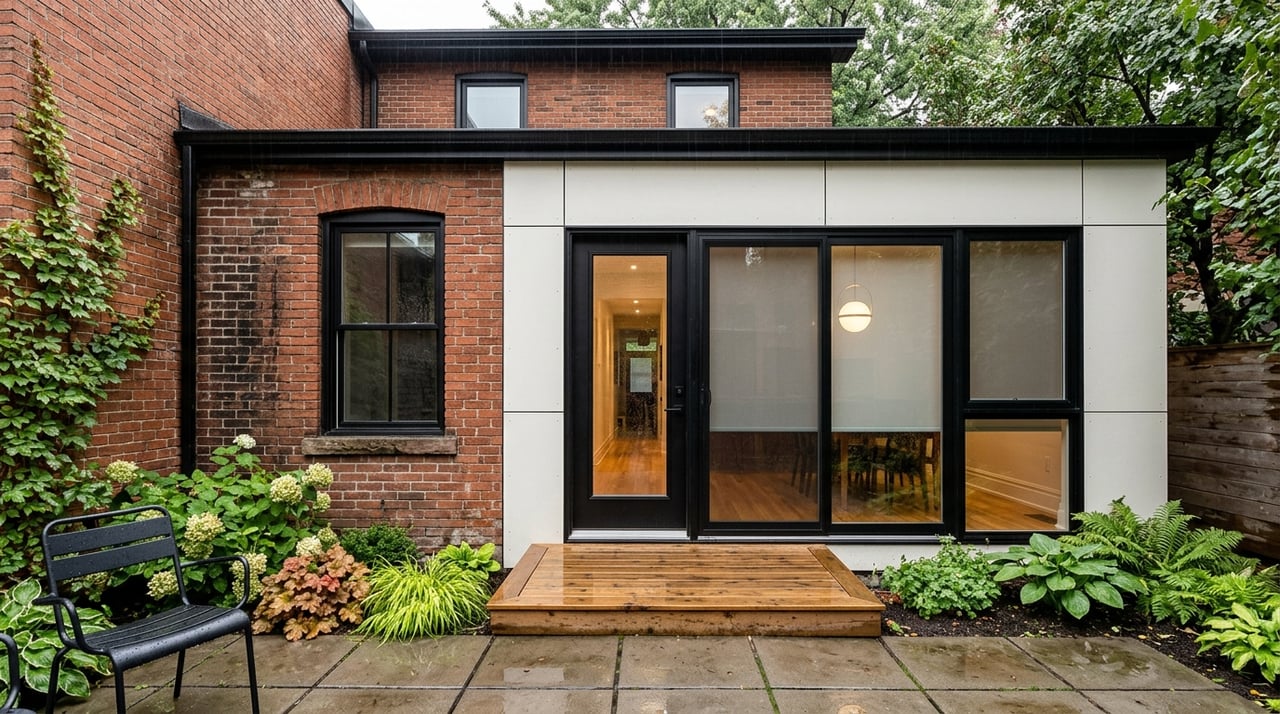
Riverdale is one of the earlier developed east-side neighbourhoods east of the Don River. City heritage material describes a mix of Bay-and-Gable homes, Second Empire row houses, and Edwardian Four Squares, with North Riverdale often featuring two-and-a-half-storey brick house-form buildings with hipped or gabled roofs and period details.
In practical terms, Riverdale often appeals to buyers who want older detached or semi-detached homes with character. If your wish list includes heritage details, traditional facades, and a classic east-end house feel, Riverdale tends to lean that way.
Leslieville has a more mixed-use pattern
Leslieville developed with a different building rhythm. City material describing the Queen Street East corridor points to historic commercial rows, main street commercial blocks, warehouse and factory buildings, bank buildings, and residential spaces with storefront additions.
That gives Leslieville a more mixed-use feel than Riverdale. You are more likely to experience the neighbourhood through a blend of housing, retail, and converted urban spaces rather than a mainly house-form streetscape.
Budget often follows building type
While the research does not provide neighbourhood-specific median prices, it does give helpful citywide context from TRREB’s May 2026 market watch. Average prices in the City of Toronto were $1,610,988 for detached homes, $1,293,268 for semis, $953,982 for townhouses, and $673,841 for condo apartments.
That matters because Riverdale’s more house-form building stock will often feel more budget-intensive than Leslieville’s more mixed pattern. Of course, block, lot size, parking, condition, and renovation level all matter, but housing type is a useful starting point.
Main streets and daily life
Riverdale feels more residential day to day
Riverdale’s practical commercial anchor is Broadview and the Danforth. The Broadview Danforth BIA describes the area as extending east of the Don Valley along The Danforth and north and south along Broadview Avenue, with attractions like the Music Hall and Carrot Common, plus access to Broadview and Chester subway stations.
That setup gives Riverdale a neighbourhood-centred feel. Instead of one long, highly active retail strip defining the area, daily life tends to orbit a few key commercial nodes while the surrounding streets stay more residential.
Leslieville revolves around Queen East
Leslieville’s retail core is more clearly centered on Queen Street East. The Leslieville BIA defines the area along Queen Street East between Empire and Vancouver Avenues and highlights shops, dining, nightlife, and live-work spaces along Carlaw Avenue.
That creates a more openly street-life oriented experience. If you like stepping out your door into a more animated retail environment, Leslieville usually delivers more of that energy on a daily basis.
Think about your normal week
A simple way to compare these neighbourhoods is to picture a regular Tuesday, not just a Saturday afternoon. Riverdale may suit you better if you want quieter residential streets with a strong nearby commercial corridor.
Leslieville may suit you better if you want your errands, brunch spots, boutiques, and evening plans to feel more integrated into one main-street routine. Neither is better overall. It depends on what kind of daily rhythm feels easiest and most enjoyable to you.
Parks and outdoor character
Riverdale is anchored by destination parks
Riverdale has a strong outdoor identity. Riverdale Park East is one of the east end’s signature parks, known for skyline views, and the City is considering a lookout point with seating there.
Riverdale Farm adds another layer to that park-focused lifestyle. The City describes it as a historic working farm with 7.5 scenic acres, wooded areas, ponds, and gardens, connected to the broader Riverdale Park area with walking trails and a dog park nearby.
Leslieville green space feels more distributed
Leslieville has access to green space too, but the feel is different. City planning material identifies Jimmie Simpson Park and Leslie Grove Park as two large open spaces along Queen Street East, and Greenwood Park is another nearby east-end park with improvements including playground, splash pad, open lawn, and skating amenities.
The Leslieville BIA also notes green spaces and off-leash dog parks in the area. Rather than one iconic park system shaping the neighbourhood identity, Leslieville’s outdoor spaces feel more woven into the surrounding grid.
Your outdoor habits matter
If you want major parkland to be part of your neighbourhood identity, Riverdale has the clearer edge. If you prefer a walkable, main-street lifestyle with parks spread throughout the area, Leslieville may feel like a better match.
This is one of the biggest quality-of-life differences between the two. It can shape everything from dog walks to weekend routines to how often you spend time outdoors close to home.
Which neighbourhood fits you best?
Choose Riverdale if you want
Riverdale may be the stronger fit if your priorities include:
- Classic east-end house character
- A more residential streetscape
- Heritage-style homes and older housing stock
- Major parkland and destination outdoor spaces nearby
- A slightly more tucked-away feel with access to commercial nodes
For many buyers, Riverdale feels like the choice when the home itself and the surrounding residential setting carry the most weight.
Choose Leslieville if you want
Leslieville may be the stronger fit if your priorities include:
- A more active Queen Street East lifestyle
- Easy access to cafés, boutiques, and restaurants
- A mixed-use urban environment
- A neighbourhood where retail and street life are part of your daily routine
- Green spaces that are spread through the area rather than centered on one major park system
For many buyers, Leslieville works best when the goal is an energetic, walkable, main-street-centred lifestyle.
A simple decision shortcut
If you are stuck, use this quick lens: choose Riverdale if your top priority is classic east-end house character and park-forward living. Choose Leslieville if your top priority is Queen East energy and a more retail-centred urban routine.
That is not a hard rule, and every block can feel a little different. Still, it is a useful way to narrow your search and avoid falling in love with a neighbourhood that does not really match the way you want to live.
How to compare them like a smart buyer
Before you make a move, try comparing Riverdale and Leslieville in a more practical way:
- Walk each neighbourhood on a weekday evening
- Visit the main streets and a quieter residential block
- Notice whether you are drawn more to house-lined streets or retail activity
- Check how important large park access feels in real time
- Compare home types first, then budget second
This kind of side-by-side visit can quickly clarify your instinct. Often, the right fit becomes obvious once you experience both places beyond listings and photos.
If you are weighing Riverdale against Leslieville, a local, street-by-street lens matters. The right choice is not just about price or popularity. It is about matching your budget, lifestyle, and home preferences to the part of the east end that feels most natural for you.
If you want help comparing homes, blocks, and buying strategy in Toronto’s east end, book a 15-minute consult with Jenny and Shane.
FAQs
What is the main difference between Riverdale and Leslieville?
- Riverdale generally feels more residential and park-forward, while Leslieville feels more main-street driven with Queen Street East as its commercial core.
Is Riverdale or Leslieville better for house-form homes?
- Riverdale is more strongly associated with older detached, semi-detached, and heritage-style house-form buildings.
Is Leslieville more walkable for shops and restaurants?
- Leslieville is more centered on Queen Street East, which creates a more active day-to-day mix of shops, cafés, dining, and nightlife.
Does Riverdale have better access to large parks?
- Riverdale stands out for major outdoor destinations like Riverdale Park East and Riverdale Farm, which give it a strong park-focused identity.
Is Leslieville or Riverdale likely to feel more budget-intensive?
- Riverdale often feels more budget-intensive because its housing stock is more heavily weighted toward house-form properties, though pricing still varies by block, size, parking, and condition.