Selling a home is emotional even on the best day. When you add repairs, paperwork, cleaning, and showings, it can quickly feel like too much. The good news is that getting your Beach Hill home ready does not have to mean a full renovation or months of chaos. With the right plan, you can focus on the updates that matter most, stay organized, and bring your home to market with more confidence. Let’s dive in.
Why prep matters in Beach Hill
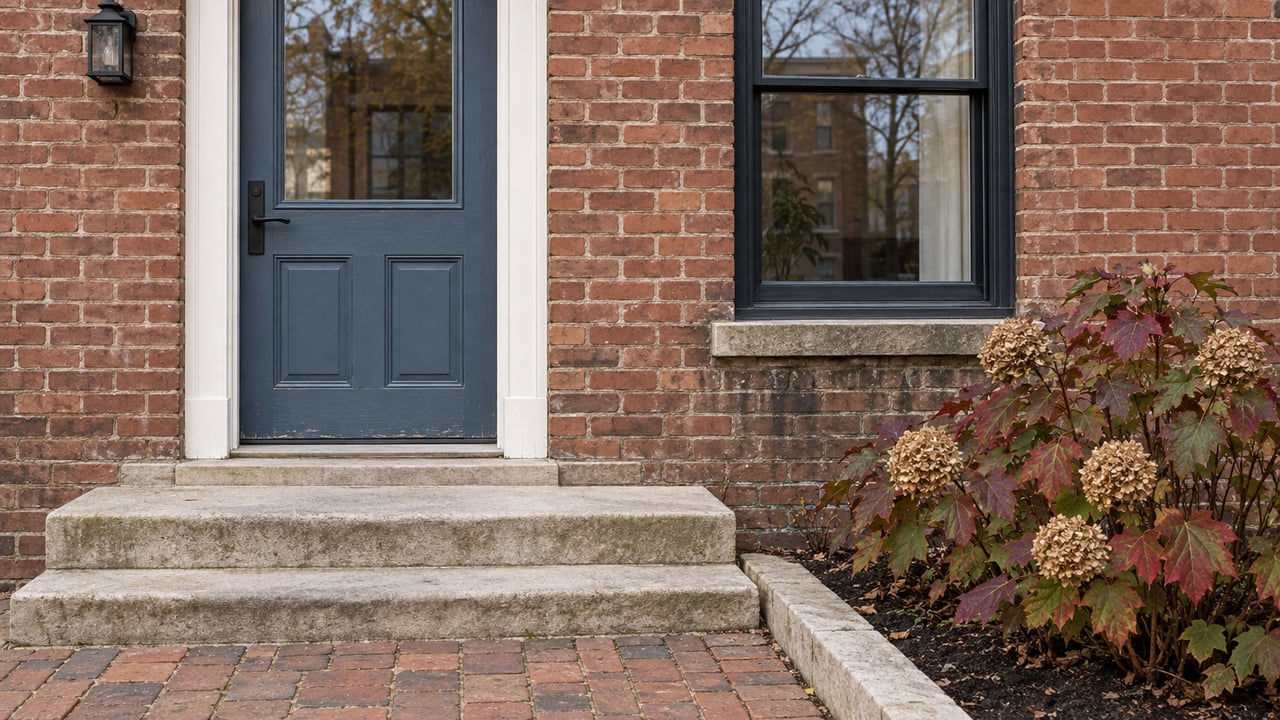
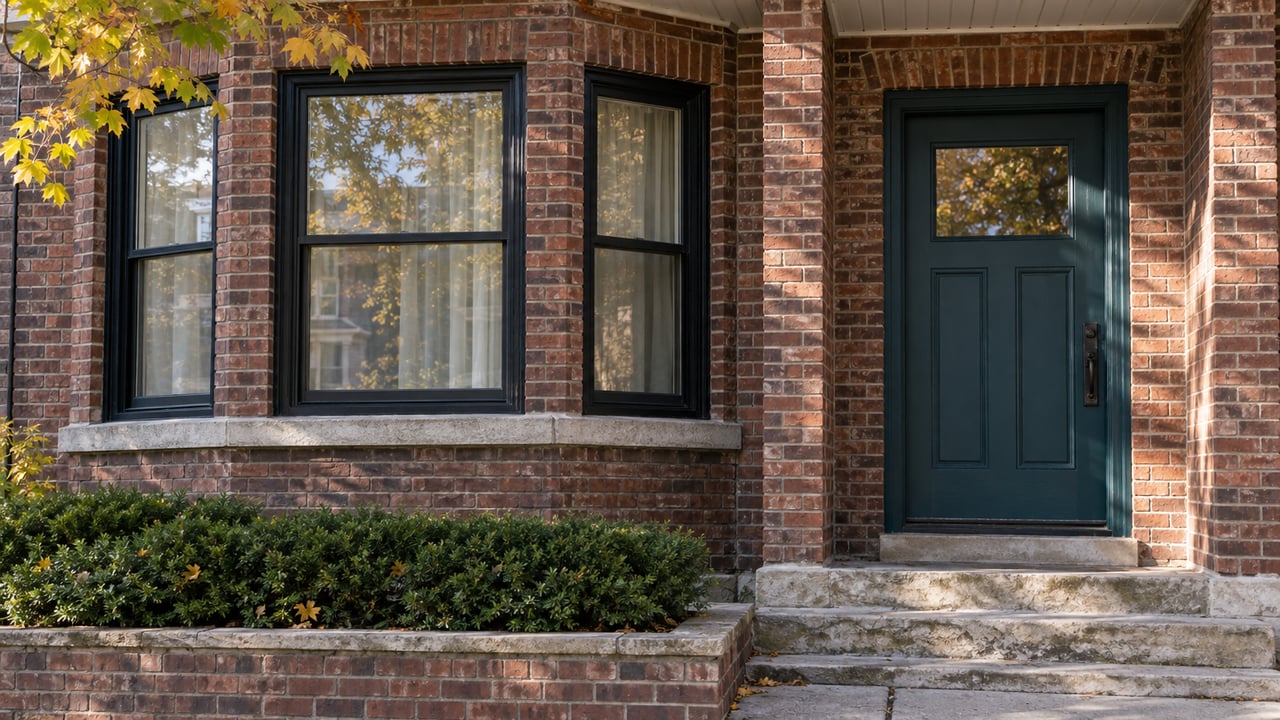
Beach Hill has a distinct feel that buyers notice right away. It is known for its tree-lined streets, established homes, and close connection to both the Beach and the east end’s main shopping and transit corridors. In a neighbourhood with that kind of character, presentation matters because buyers are not just comparing square footage. They are also reacting to condition, design, layout, finishes, and how well a home fits its setting.
That matters even more in a selective market. TRREB reported that April 2026 GTA sales were up year over year, but average prices were down 4.9% and the MLS Home Price Index composite was down 6.6%. CMHC also said Ontario prices were expected to decline slightly in 2026, largely because of GTA weakness and high resale inventory. In plain terms, buyers have choices, so a clean, well-prepared, move-in-ready home can stand out more than an expensive last-minute renovation.
Start with a simple selling plan
The lowest-stress sale usually starts months before your listing goes live. Instead of reacting to everything at once, begin with a home audit and a written plan. Walk through your home room by room and note what needs repair, what should be refreshed, and what can be left alone.
This is also the time to choose your real estate team carefully. RECO recommends interviewing at least three agents, confirming registration, and asking how they work, what services they offer, and how they market a property. For many Beach Hill sellers, that means looking for someone who can do more than list the home. You want a clear process, hands-on guidance, and help managing the moving parts.
A simple prep plan should cover:
- your target listing timeline
- cosmetic updates to prioritize
- any larger work that needs decisions early
- decluttering and storage needs
- paperwork to gather for renovations and upgrades
- staging, photography, and showing preparation
Fix these things first
If you only have time and budget for a few improvements, start with the updates most likely to improve how your home feels to buyers. According to the Appraisal Institute of Canada, some of the most reliable low-cost improvements include fresh paint, updated lighting, better curb appeal, and decluttering.
Those items matter because they change first impressions quickly. A lighter, cleaner, more organized home often reads as better maintained. That can help buyers focus on the space itself rather than on distractions.
AIC also notes that trim, interior doors, resurfaced kitchen cabinets, door handles, bathroom fixtures, and lighting fixtures can modernize a home without a large spend. These are often smart middle-ground updates if your home needs a polish but not a full overhaul.
Choose updates that fit Beach Hill
In a character neighbourhood like Beach Hill, the goal is usually not to erase the home’s personality. It is to present it at its best. Local reporting describes the area as a pocket of Edwardian homes and established streetscapes, and AIC advises homeowners to match workmanship and materials to the surrounding market while avoiding over-improvements and highly personalized features.
That makes a big difference when you are deciding where to spend. A thoughtful refresh that respects the home’s scale, proportions, and existing details will often feel more natural to buyers than a dramatic redesign. You do not need to turn a classic east-end house into something it was never meant to be.
Smart updates to consider
These updates are often worth exploring before listing:
- repainting walls in clean, neutral tones
- replacing dated light fixtures
- refreshing hardware and bathroom fixtures
- resurfacing or repainting kitchen cabinetry if needed
- repairing worn trim, doors, and small visible defects
- improving front entry presentation and landscaping
- reducing visual clutter throughout the home
Updates to think twice about
These projects can carry more risk if done just before listing:
- highly customized finishes
- expensive renovations with unclear payoff
- design choices that clash with the home’s original character
- major projects that may run over budget or timeline
- work done without confirmed permits or documentation
AIC is clear that it is uncommon to fully recoup renovation costs. If your home needs major work, the answer is not always to renovate everything. Sometimes the better strategy is to improve presentation, address obvious issues, and price with the market in mind.
Check permits before doing bigger work
If you are thinking about more than cosmetic updates, check permit requirements early. The City of Toronto says a building permit is required for most construction, demolition, additions, or major renovations. Its interior alteration guidance also notes that submissions may require floor plans, plumbing data, and other documentation.
This matters for two reasons. First, permit-related delays can throw off your listing timeline. Second, you will want clean records if upgrades become part of your marketing.
Before you list, gather documentation for:
- renovation invoices and receipts
- warranties where available
- permit records and approvals
- dates for completed work
- contractor information if relevant
RECO advises that listing facts should be supported by invoices, receipts, or other documentation. It also warns that agents must verify advertised upgrade information and should not publish dates they cannot confirm.
Declutter like you are creating a product launch
In the final weeks before listing, it helps to think of your home as a product display. Buyers should be able to walk in and understand the space quickly. That is much easier when surfaces are clear, storage looks manageable, and personal items are edited down.
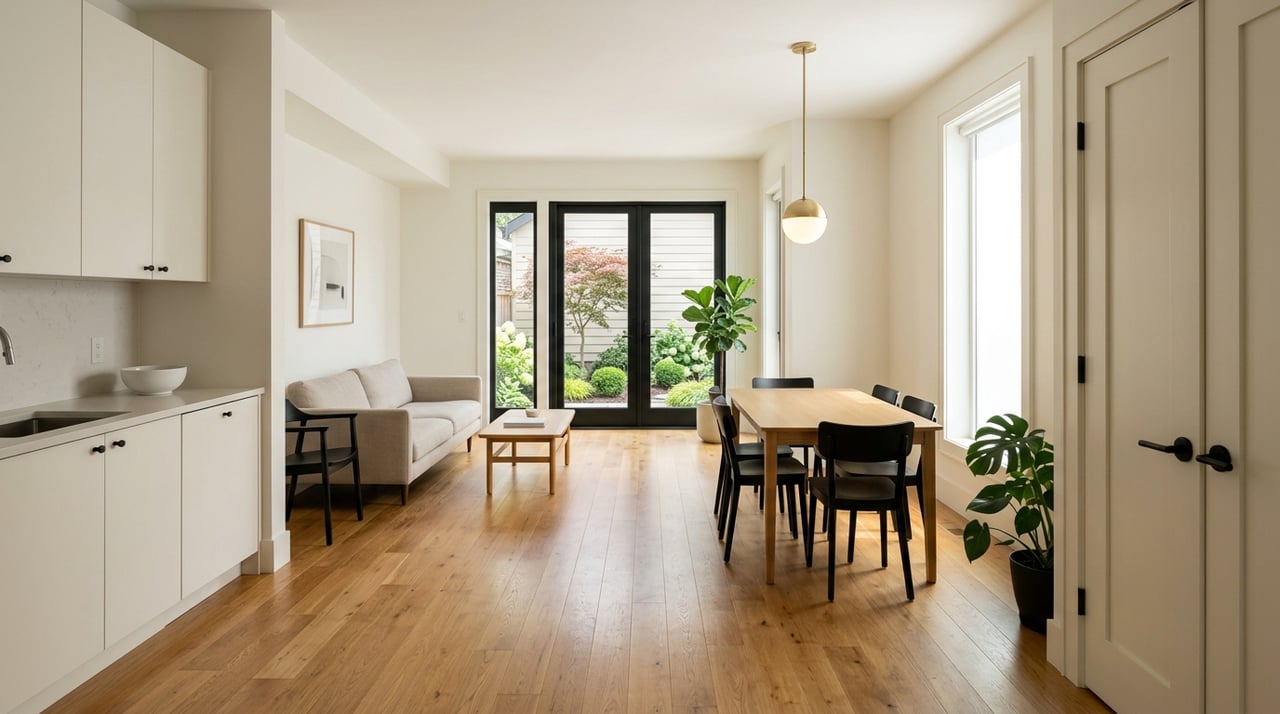
Decluttering is not about making your home feel cold. It is about helping rooms look spacious, functional, and easy to imagine living in. This is especially important in older homes where layout and storage can vary from one property to the next.
Focus on:
- clearing countertops and open shelving
- editing furniture to improve flow
- organizing closets and storage rooms
- packing away excess decor and collections
- removing personal photos before showings
- creating a clean, calm feeling in kitchens and baths
For many sellers, this is where a project-managed approach makes the biggest difference. Instead of trying to coordinate cleaners, painters, staging decisions, and storage on your own, you can move through a clear checklist with fewer surprises.
Make showings safer and less chaotic
Showings and open houses can feel intrusive, but a few practical steps can make them much easier to handle. RECO recommends working closely with your agent before an open house and removing valuables, medications, bills, and personal photos. It also suggests taking inventory of stored items and asking who will attend, whether visitors will be escorted, and whether photos or videos will be allowed.
This is one of the best ways to reduce stress during the listing period. You are not just preparing the home for presentation. You are also setting expectations and protecting your privacy.
Before showings begin, ask your agent:
- who will be present at open houses
- whether visitors will be escorted
- whether identification checks are used
- how photos and videos during showings are handled
- whether doors and windows will be checked before lockup
A strong listing process should make these details feel routine rather than reactive.
Get ahead of offer-day decisions
One of the biggest sources of stress is not knowing what will happen if interest picks up quickly. If your home attracts multiple offers, RECO says buyers are entitled to know the number of competing offers, but sellers decide whether any content is shared. Sellers should also give clear written direction to their agent.
That is why it helps to discuss possible scenarios before your listing launches. You do not want to make key decisions while tired, emotional, and under time pressure. A calm pre-list conversation can cover pricing strategy, offer timing, what flexibility matters most to you, and how much communication you want throughout negotiations.
The paperwork to gather before listing
A smoother sale usually starts with cleaner information. RECO says property information statements can describe defects, renovations, and other pertinent details, and sellers and agents need to be clear about whether the statement is for agent use only or for buyers.
Even if your home has been lovingly maintained for years, do not leave the paper trail until the last minute. Gathering documents early can help your listing feel more credible and make buyer questions easier to answer.
Try to collect:
- receipts for repairs and upgrades
- permit and renovation records
- appliance manuals and warranties
- utility or service records if helpful
- key dates for major work
- notes on known issues that may need disclosure
Less stress usually comes from less guessing
Most Beach Hill homes do not need a dramatic reinvention before they sell. They need a thoughtful plan, the right cosmetic improvements, clean documentation, and a showing strategy that protects both presentation and peace of mind. In a neighbourhood where character matters, the best prep often comes from refining what is already there.
That is also why seller support matters. When you have a principal-led team guiding the timeline, coordinating trusted vendors, and shaping presentation with a design eye, the process can feel far more manageable from start to finish.
If you’re thinking about selling in Beach Hill and want a calm, design-forward plan for getting your home market-ready, book a 15-minute consult with Jenny and Shane.
FAQs
What should I fix first before selling a Beach Hill home?
- Start with fresh paint, updated lighting, curb appeal, and decluttering. The Appraisal Institute of Canada identifies these as reliable, lower-cost improvements that can improve buyer appeal.
Which updates are worth doing in a character neighbourhood like Beach Hill?
- Focus on updates that refresh the home without fighting its existing style, such as paint, hardware, fixtures, trim repair, cabinet resurfacing, and landscaping improvements.
Are major renovations worth it before listing in Beach Hill?
- Not always. AIC says it is uncommon to fully recoup renovation costs, and returns vary by market. In many cases, a clean, well-presented home is a better strategy than a large discretionary renovation.
Do I need permits for renovations before selling a Toronto home?
- If the work goes beyond cosmetic touch-ups, possibly yes. The City of Toronto says permits are required for most construction, demolition, additions, or major renovations, so it is best to check early.
What should I remove before showings or an open house in Beach Hill?
- RECO recommends removing valuables, medications, bills, bank statements, fragile items, and personal photos before showings and open houses.
What paperwork should I gather before listing a Beach Hill property?
- Gather invoices, receipts, permit records, approvals, warranties, and confirmed dates for past upgrades or renovations so listing information can be verified accurately.