Ever wonder whether The Beaches is really a beach town, just a Toronto neighbourhood by the water, or something in between? If you are thinking about moving here, that question matters because daily life is shaped as much by the boardwalk and shoreline as it is by Queen Street East, transit, and the rhythm of the city. The good news is that The Beaches offers a very specific mix of charm, convenience, and character, and understanding that mix can help you decide if it fits the way you want to live. Let’s dive in.
The Beaches feels like two places at once
The easiest way to describe The Beaches is this: it feels like a small resort town layered into Toronto. The City of Toronto highlights the area’s boardwalk, biking and rollerblading paths, landscaped waterfront spaces, and its close connection to downtown, which is exactly why the neighbourhood stands out.
That beach-town feeling is real, but it is not isolated or sleepy in the way people sometimes imagine. Queen Street East runs through the neighbourhood as a lively main street, and the Beach BIA describes about 3 km of shopping, dining, and green space lined with independent shops, cafes, galleries, patios, and local businesses.
If you live here, that means your week can include a morning walk by the lake, errands on Queen East, and a straightforward transit trip into the rest of the city. That balance is a big part of the area’s appeal.
Waterfront life shapes everyday routines
In The Beaches, the waterfront is not just something you visit once in a while. It becomes part of your regular routine.
The boardwalk and shoreline are central to how people use the neighbourhood, and the Martin Goodman Trail adds another layer of access. The City describes this trail as a 22-km waterfront route, with Eastern Beaches access points including Kew Beach and Balmy Beach, so it is easy to see why walking, cycling, and being near the lake become part of daily life here.
This is also one of the reasons the neighbourhood feels distinct from other East End pockets. Even when you are not on the sand, the lake is still shaping the atmosphere, the pace, and the kinds of routines people build into their day.
Queen Street East is the social spine
While the waterfront gets most of the attention, Queen Street East is what makes The Beaches work as a full-time neighbourhood. It gives the area its local rhythm and keeps day-to-day living convenient.
According to the Beach BIA, this stretch includes shopping, dining, galleries, cafes, patios, and other small businesses that support a true main-street lifestyle. For many buyers, that is a major draw because it means you can handle plenty of daily errands close to home while still enjoying a neighbourhood that feels personal and established.
There is also a smaller commercial feel around Kingston Road Village, which adds another layer to the local retail mix. The result is a neighbourhood that feels active without reading as overly dense or overly built-up.
The Beaches is very seasonal
One of the most important things to understand before moving here is how much the neighbourhood changes through the year. The Beaches is not static, and that is part of its charm.
Summer is when the area feels most animated. The City says lifeguard supervision and beach maintenance typically run from June to September, and supervised swimming brings a more structured, active beach season. This is also when the shoreline feels busiest and most social.
Warm-weather events add even more energy. The area hosts recurring community events including the Beaches International Jazz Festival, StreetFest on Queen Street East, Movie Nights in the Park, and the Beaches Easter Parade, while Winter Stations brings public art to Woodbine Beach in late winter and early spring.
For you as a resident, that means the neighbourhood can feel lively and crowded from late spring through summer, then noticeably calmer in winter. The waterfront still has everyday value in colder months, but the overall pace shifts.
Winter in The Beaches has its own appeal
A lot of people focus on summer, but winter is part of the real story too. When the crowds thin out, the neighbourhood can feel quieter, more local, and more reflective.
The waterfront remains usable, just in a different way. Walks along the lake, access to the boardwalk, and trail use still matter, even when the beach is not in peak season.
There are also practical seasonal differences that residents notice. For example, the City says dogs are permitted off-leash below the snow fence line at Kew-Balmy Beach and Woodbine Beach between November 1 and March 31, which shows how the shoreline takes on a different role outside swimming season.
Housing is mostly low-rise and character-rich
If you picture The Beaches as a condo-heavy waterfront district, you will likely be surprised. The built form is much more house-based and low-rise than that.
The City’s 2016 neighbourhood profile reported a housing mix of about 69% single-detached homes, 10% semi-detached homes, 3% row houses, 6% duplexes, 7% apartments under five storeys, and 3% apartments of five storeys or more. Even though that snapshot is older, it still helps explain the neighbourhood’s overall shape and feel.
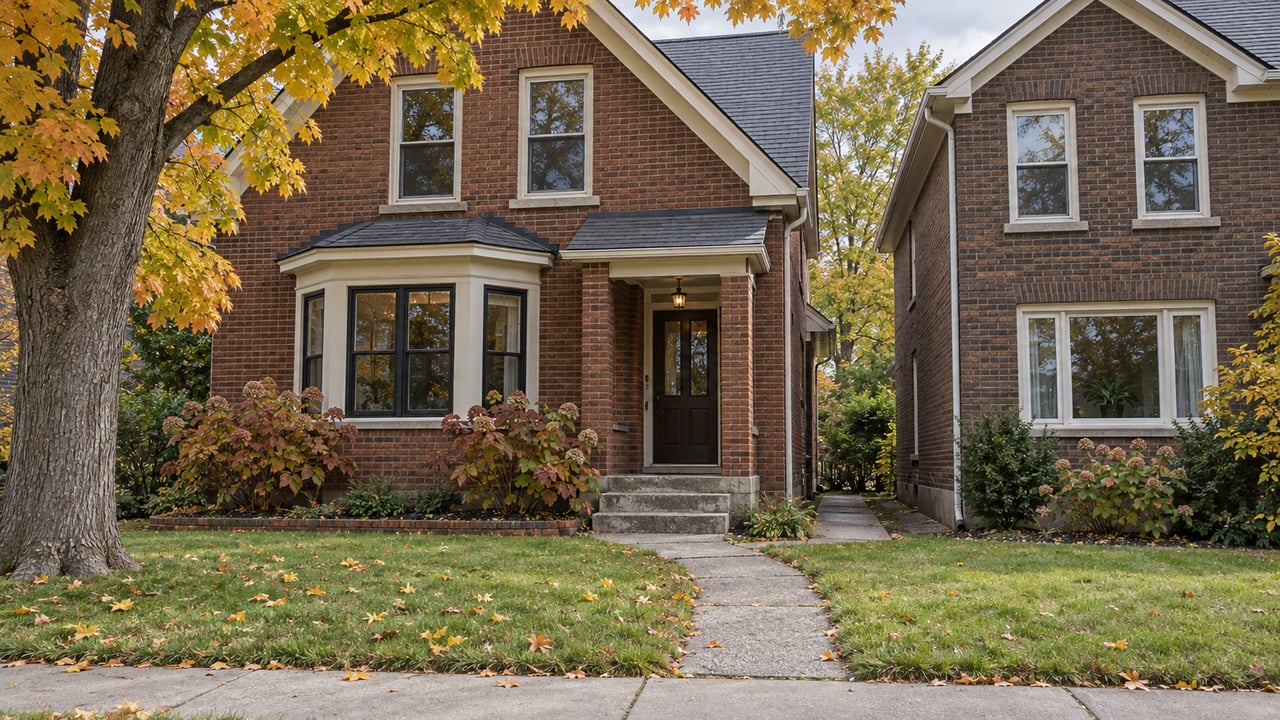
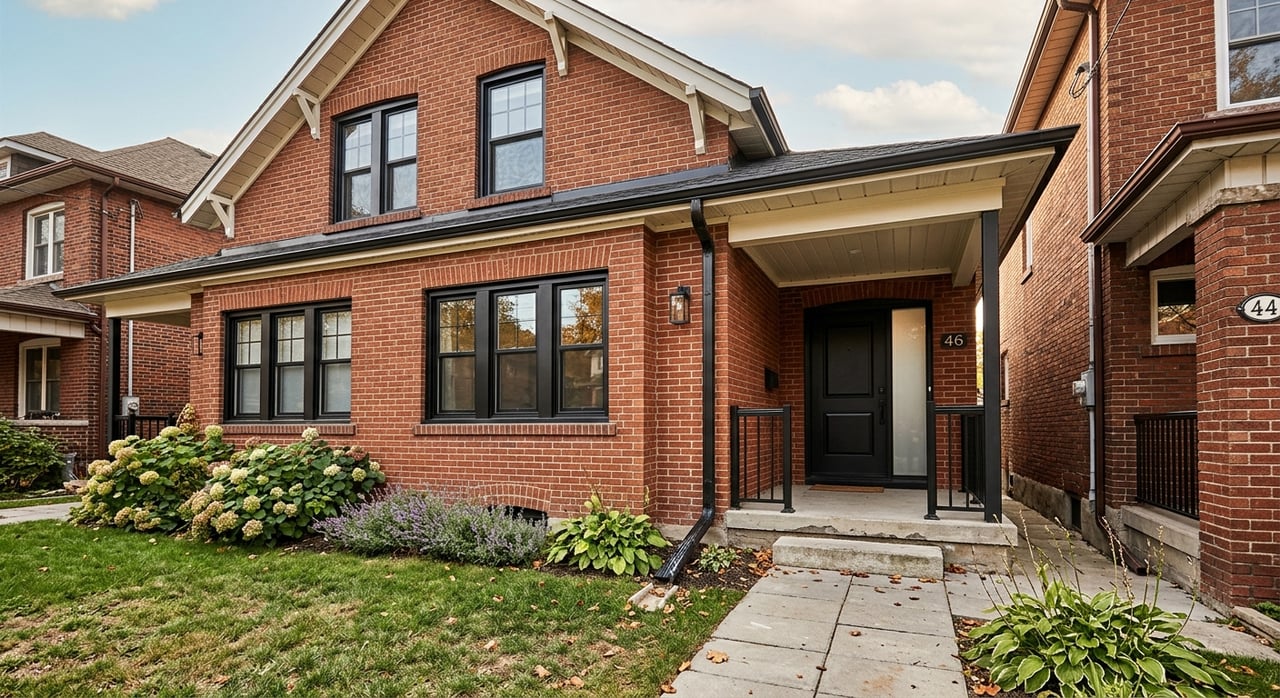
In practical terms, The Beaches is defined more by detached and semi-detached homes, older residential streets, and a strong sense of established housing stock than by towers or large condo clusters. That is a big reason the neighbourhood feels visually cohesive.
Older homes give the area its identity
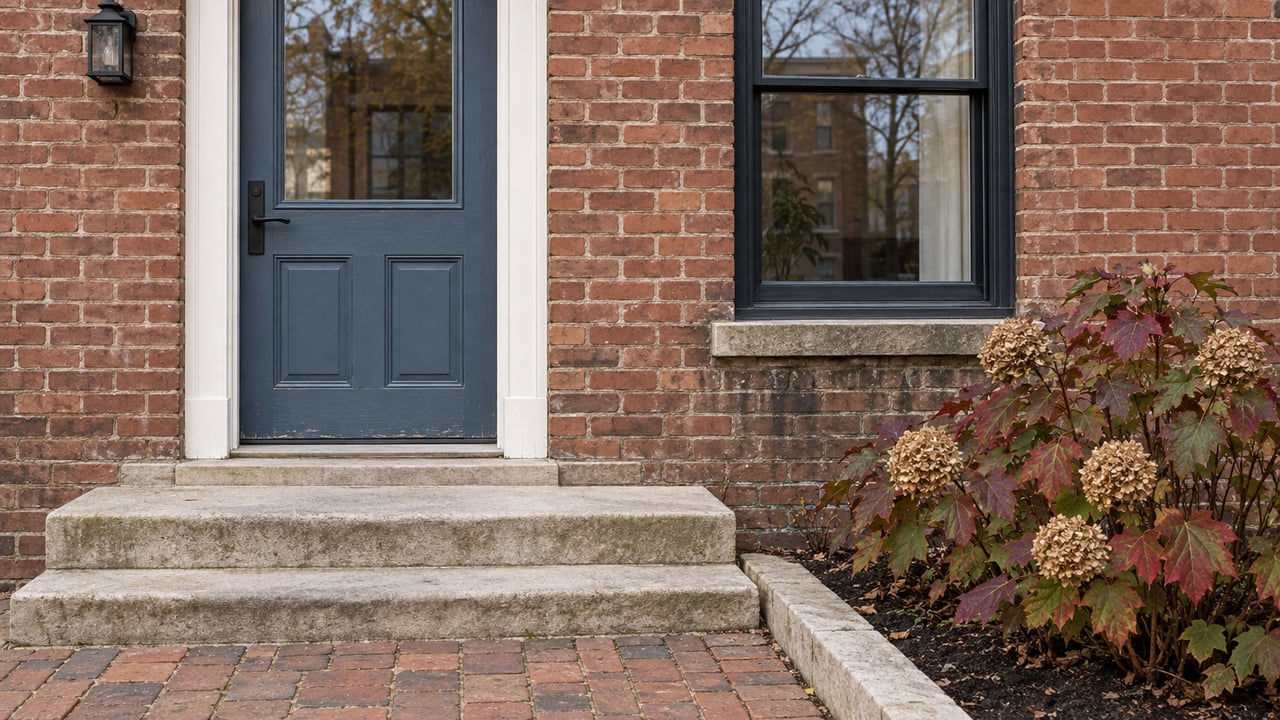
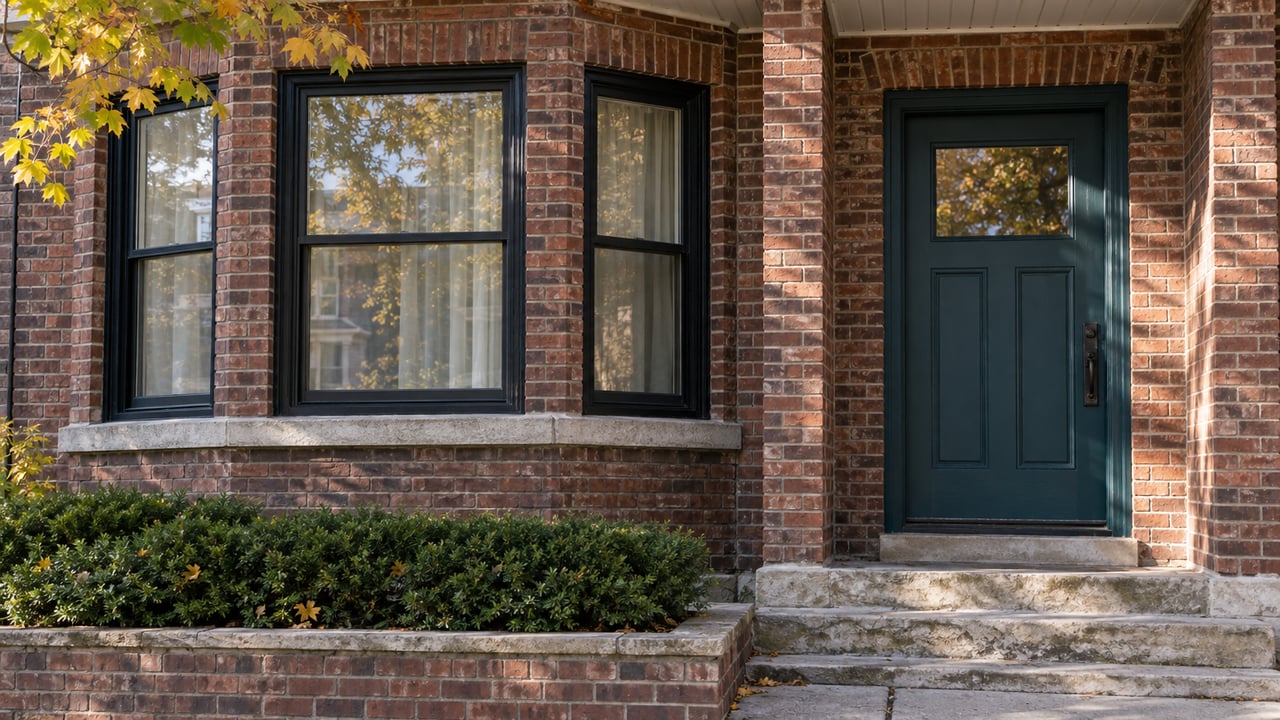
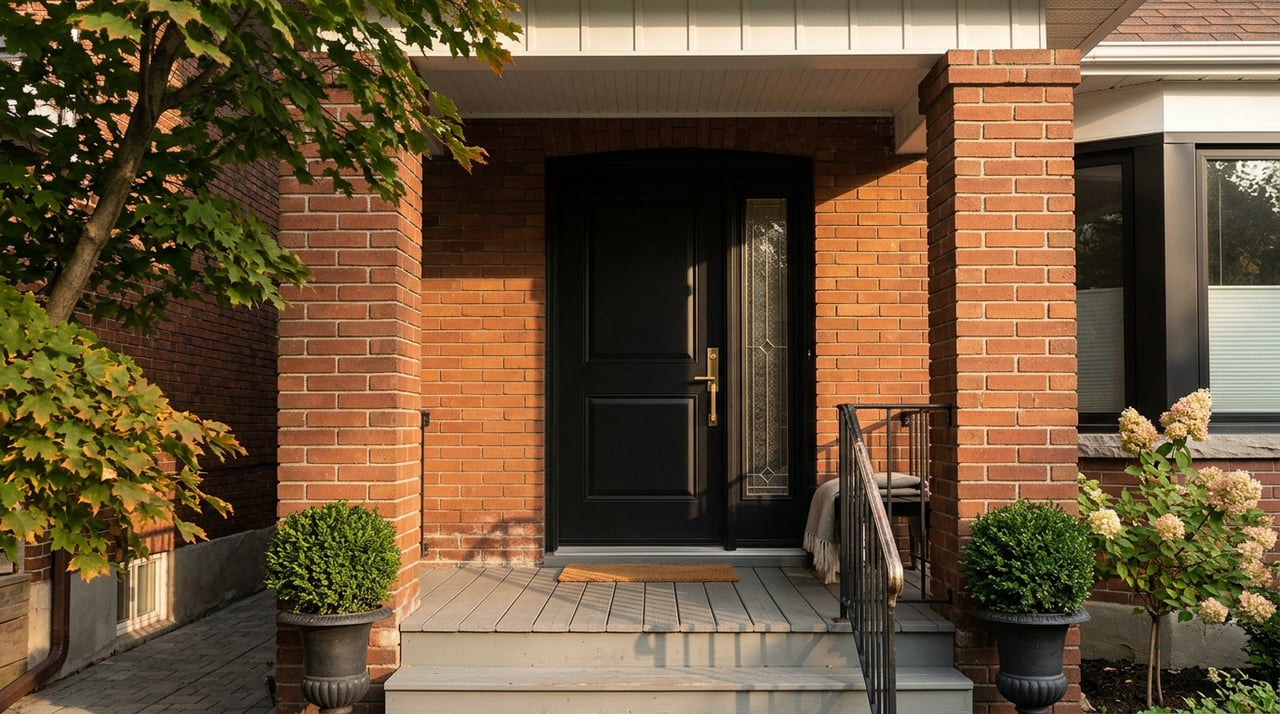
The Beaches has deep residential roots, and you can see that in its streetscape. Heritage material tied to Balmy Beach and the Kingswood Road South Heritage Conservation District points to detached dwellings, early-20th-century domestic architecture, consistent setbacks, mature tree canopy, and a cohesive street pattern.
You do not need to know the planning language to feel the effect of that. On the ground, it often translates into older homes with character, leafy streets, and a neighbourhood that feels settled rather than newly assembled.
For buyers, this usually means the appeal is less about shiny newness and more about proportion, charm, and established context. For sellers, it is one reason presentation matters so much because homes with strong architectural character often benefit from thoughtful design, editing, and staging.
Change happens, but selectively
The Beaches is established, but it is not frozen in time. Change tends to come in smaller, more selective ways.
A recent example is the City’s 2026 announcement of 90 new rental homes at 507–511 Kingston Road, including affordable rental and rent-controlled units. That kind of project shows that nearby pockets continue to evolve through infill and redevelopment, even while the broader neighbourhood remains largely low-rise and house-focused.
That balance is worth noting if you are deciding whether the area fits your long-term goals. You get the feel of a mature neighbourhood, but not one that is completely untouched by new development.
Getting around is convenient, with tradeoffs
The Beaches is well connected, but not in a subway-at-your-door kind of way. Daily movement here depends more on surface transit, walking, cycling, and local street conditions.
The 501 Queen streetcar runs along Queen Street East all day, every day until about 1 a.m. The 64 Main bus connects the Queen and Wineva area to Main Street Station, and the 92 Woodbine South bus links the Woodbine and Lake Shore area to Woodbine Station.
For many residents, that setup works well. But it is also fair to say that if you want the feel of a waterfront village with older homes and a strong local main street, part of the tradeoff is relying more on streetcars and buses than on a dense subway network.
Busy periods bring more traffic and parking pressure
Lifestyle in The Beaches comes with real advantages, but also a few realistic tradeoffs. One of the biggest is that popular seasons and large events can affect how easy it feels to move around.
StreetFest, for example, closes Queen Street East between Woodbine and Beech Avenues and changes bus service for several nights. More broadly, beach season and major events bring more people into the area, which can mean heavier traffic, busier sidewalks, and tighter parking conditions.
That does not make the neighbourhood less appealing. It simply means that living in a destination area comes with periods when it feels more active and less predictable than a quieter inland pocket.
Who tends to love living here
The Beaches tends to be a strong fit if you want your home life to include the waterfront in a meaningful way. It also makes sense if you value walkable errands, independent businesses, and older homes with character.
In our experience, it especially appeals to buyers who want a neighbourhood that feels personal and established, but still connected to the rest of Toronto. It can also be a great choice if you are comfortable with seasonal crowds, event traffic, and a pace that changes noticeably throughout the year.
If that sounds like what you are looking for, The Beaches can be hard to beat. It offers a version of city living that feels a little softer, a little more local, and much more tied to the lake.
If you are thinking about buying or selling in The Beaches, local detail matters here more than most neighbourhoods. From block-by-block housing character to how seasonal activity changes the feel of certain pockets, working with people who know the area well can make your next move much clearer. If you want a candid, hyper-local conversation about whether The Beaches is the right fit for you, connect with Jenny and Shane.
FAQs
What is daily life in The Beaches really like?
- Daily life in The Beaches blends waterfront routines with city convenience, with the boardwalk, beaches, Queen Street East shops and dining, and surface transit all shaping how you move through the neighbourhood.
How seasonal is life in The Beaches, Toronto?
- The neighbourhood is very seasonal, with supervised swimming and beach maintenance typically running from June to September, major warm-weather events bringing more activity, and winter offering a quieter waterfront experience.
What types of homes are most common in The Beaches?
- The housing stock is mostly low-rise and house-based, with the City’s neighbourhood profile showing a strong majority of single-detached and semi-detached homes, plus smaller shares of row houses, duplexes, and apartments.
Is The Beaches a good fit if you rely on transit?
- Transit is workable and well established, with the 501 Queen streetcar and connecting bus routes serving the area, but the neighbourhood relies more on surface transit than on direct subway access.
What are the main tradeoffs of living in The Beaches?
- The main tradeoffs are seasonal crowds, event-related road closures, and added traffic or parking pressure during busy periods, especially in warmer months and during major neighbourhood events.