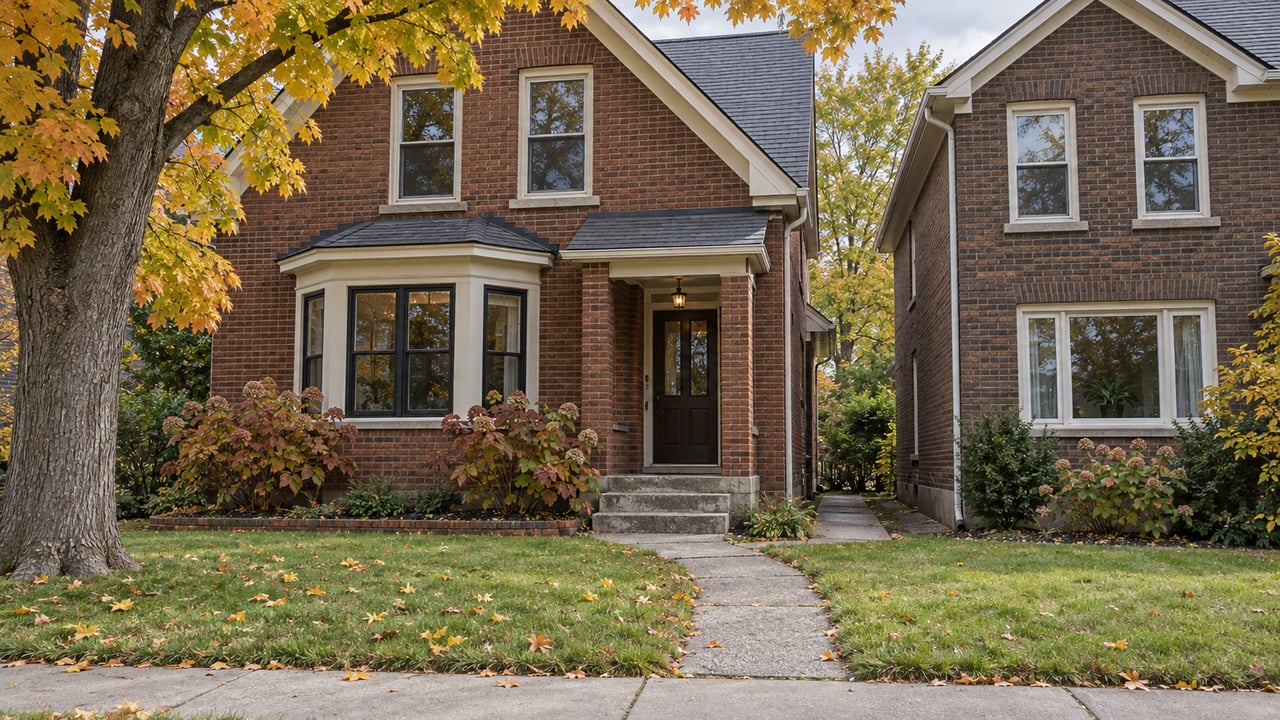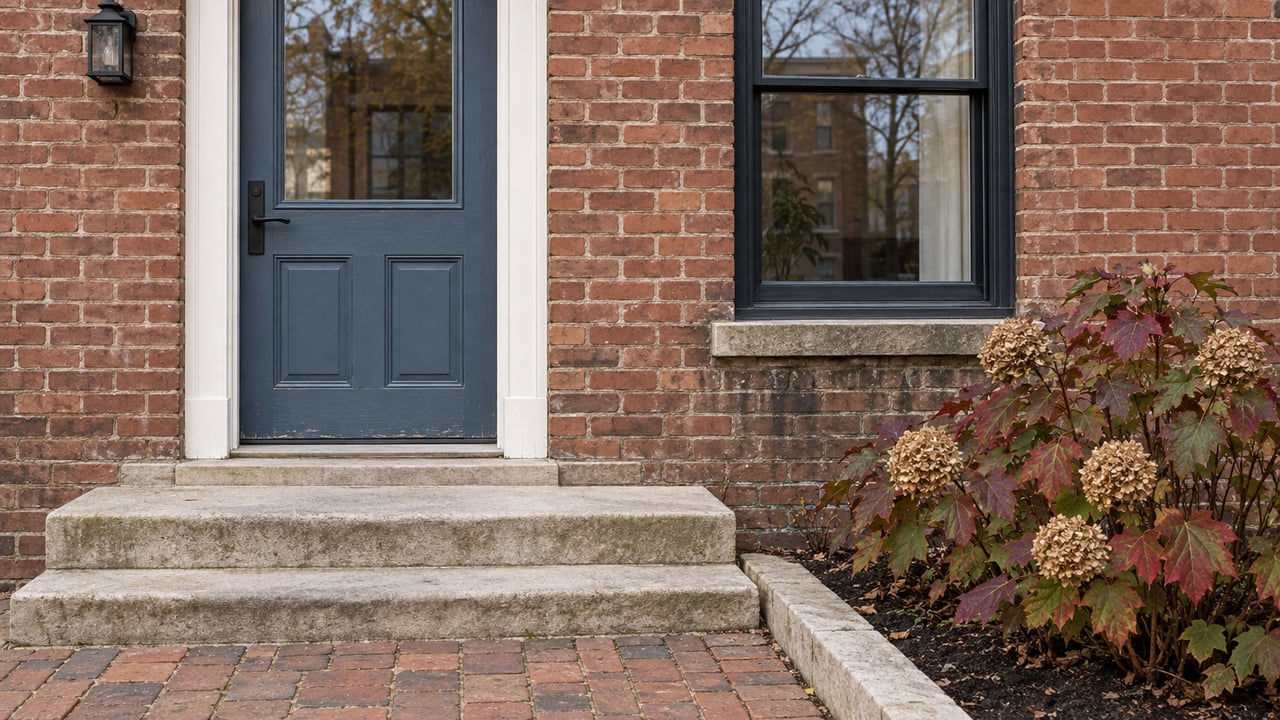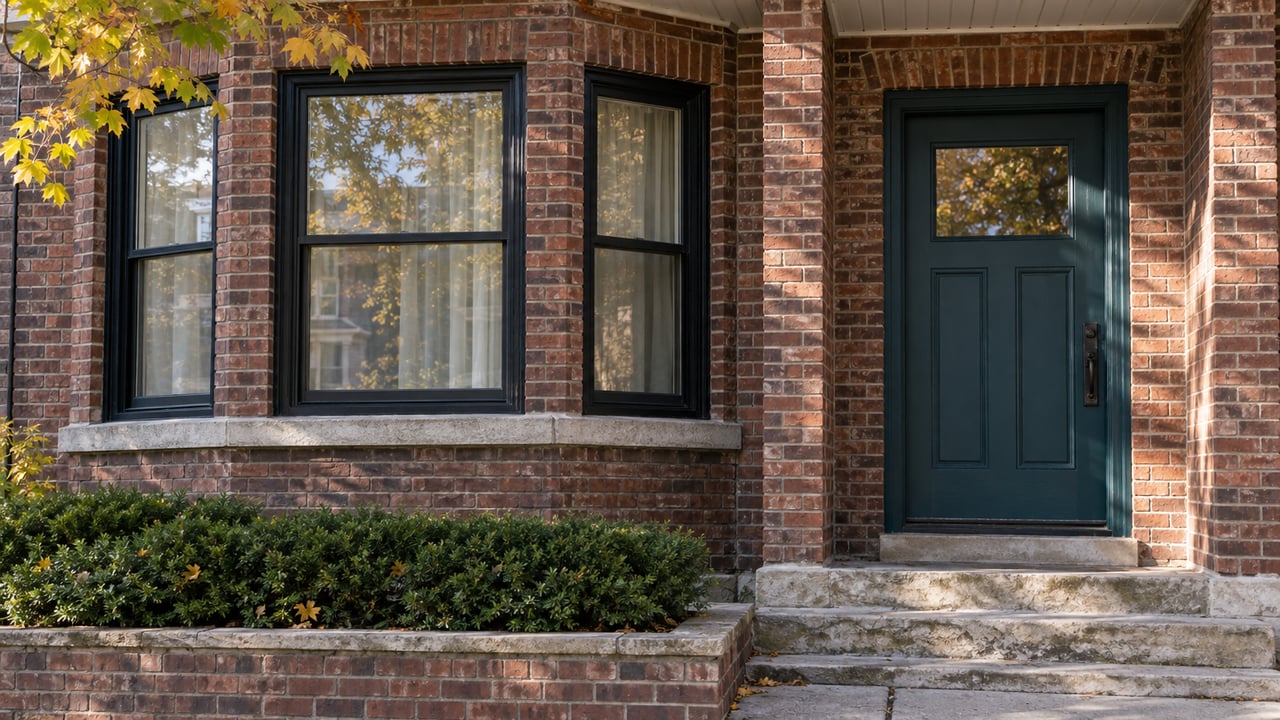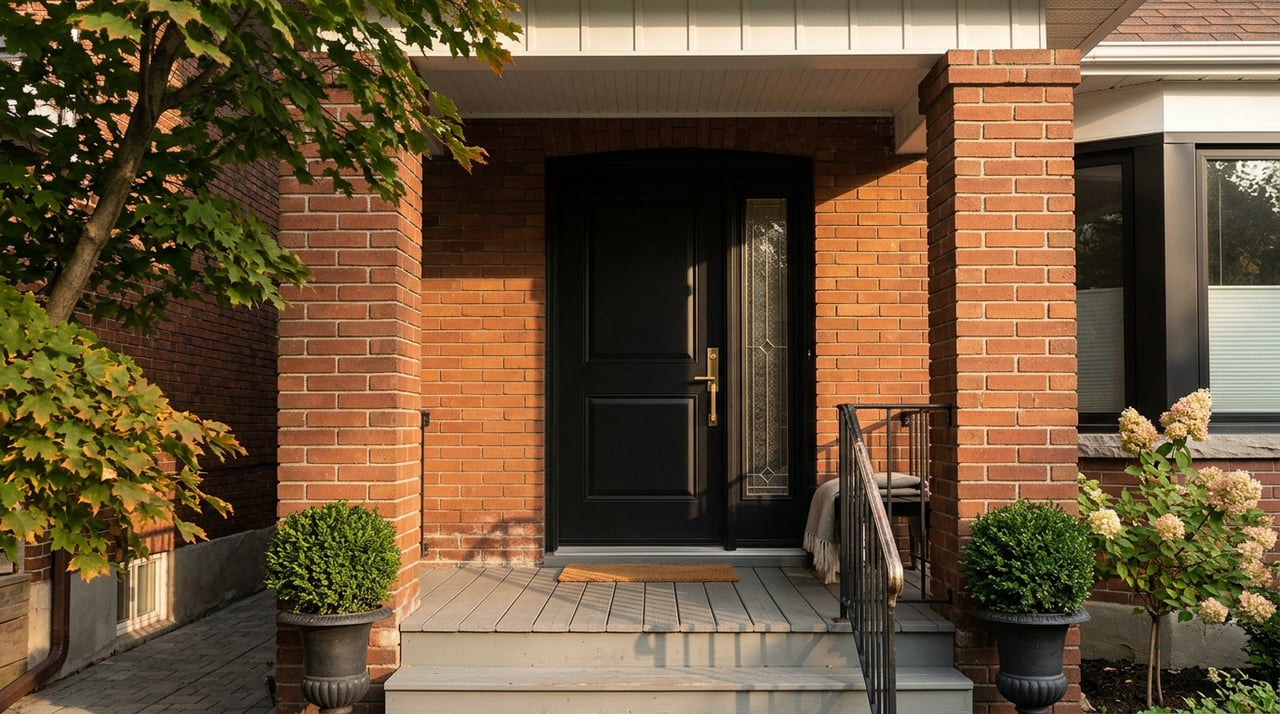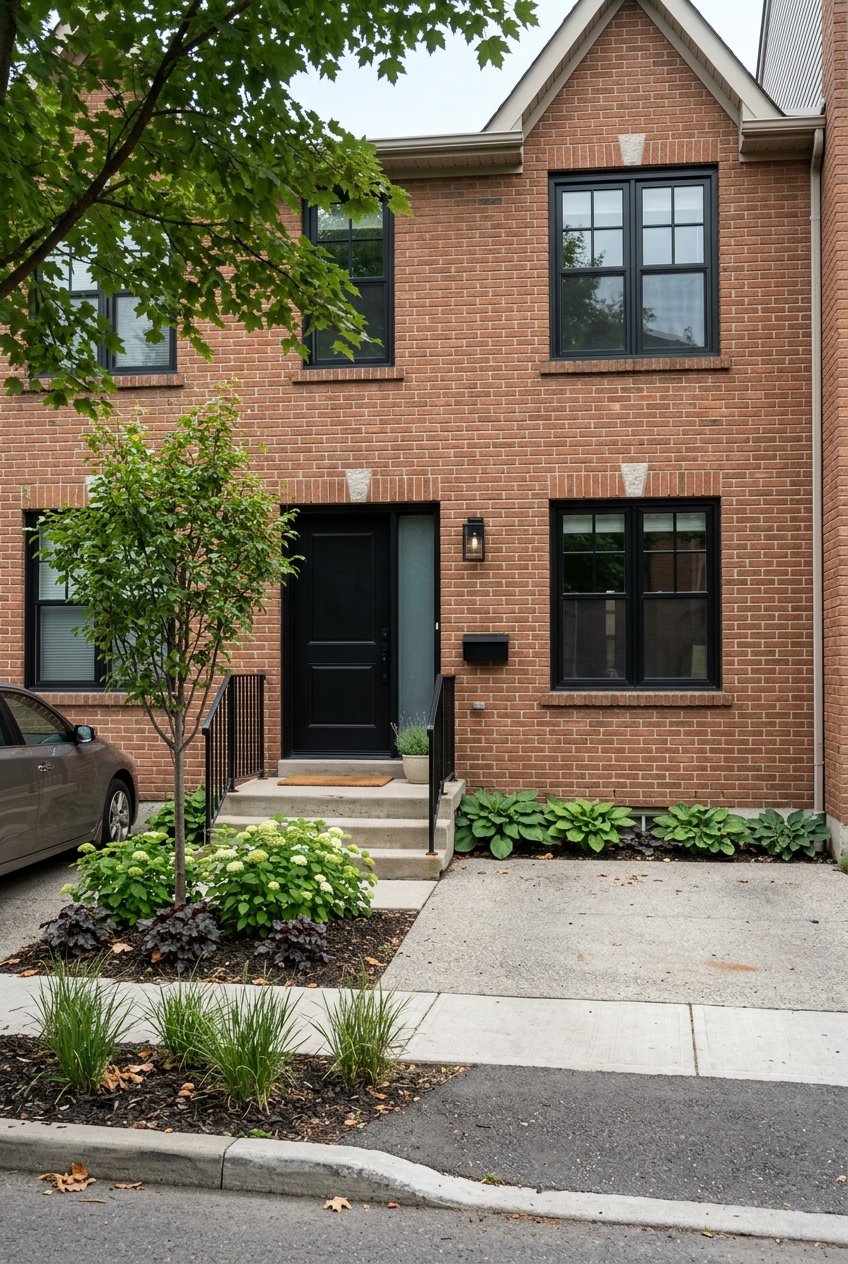
Thinking about a townhome in Upper Beach? You are not alone. For many buyers, this part of Toronto hits a sweet spot: a more house-like setup than a condo apartment, but often a more manageable option than a detached home. If you are weighing space, maintenance, transit, and lifestyle, understanding how townhome living works here can help you buy with more confidence. Let’s dive in.
Why Upper Beach appeals to townhome buyers
Upper Beach offers a mix that many buyers want but do not always find easily in Toronto. The area is tied into Danforth Avenue, which the City describes as a key east-west corridor with a character shaped largely by low-rise, two- to three-storey mixed-use buildings.
That low-rise feel matters when you are considering a townhome. It supports a street-oriented lifestyle, where direct entries, walkability, and easier day-to-day movement can feel more natural than a tower environment.
Transit is also a real strength here. Main Street Station connects to Line 2, buses, streetcar routes, GO Transit, and bike amenities, while Danforth GO sits one block south of Danforth Avenue and offers TTC connections and bike racks.
If your routine includes commuting, school drop-offs, or getting around without relying on a car for every errand, that connectivity can make townhome living especially practical. It gives you some flexibility that buyers often want in an east-end location.
Upper Beach also benefits from being close to Woodbine Beach. The City lists it as one of Toronto’s supervised beaches, with lifeguard supervision and beach maintenance typically provided daily from June to September.
From a lifestyle point of view, that nearby outdoor access can add a lot to how a home feels over time. It is not just about square footage. It is also about how easily you can get outside, move through the neighbourhood, and enjoy what is nearby.
What a townhome usually means in Toronto
In Toronto, a townhouse is generally defined as a two- to four-storey home with shared side walls, an individual entrance, and direct access to grade. That sounds simple, but in practice there can be several versions of townhome living.
The City also recognizes stacked townhouses, back-to-back townhouses, stacked-and-back-to-back forms, low-rise hybrid buildings, and other low-rise multi-unit forms of four storeys or less. In other words, two homes might both be called townhomes while offering very different layouts and ownership structures.
For you as a buyer, this usually means one key thing: do not assume the label tells the whole story. A townhome may offer multiple levels, a smaller footprint than a detached house, and a more private-feeling entrance than a condo apartment, but the details vary a lot from property to property.
That is especially true in an established east-end area like Upper Beach. Unit boundaries, outdoor space, parking setup, and access arrangements can all affect how functional a home feels once you live there.
Condo townhome or freehold townhome
This is one of the biggest distinctions to understand before you buy. A townhome describes a housing form, but it does not tell you the legal ownership structure.
In Ontario, a condo is a legal structure, not a building style. A condominium can include townhouse or rowhouse complexes, stacked townhouses, duplexes, triplexes, detached homes, or even vacant land.
That means two townhomes on the same street may look similar from the outside but come with very different responsibilities and costs. One might be part of a condo corporation with monthly common expenses, while the other may place more direct maintenance responsibility on the owner.
For condo townhomes, owners share responsibility for common elements and pay common expenses. Those costs may help cover insurance, reserve fund contributions, property management, landscaping, snow removal, and other shared items.
For freehold-style ownership, you may own the unit and the land it sits on and usually be responsible for items such as the roof, exterior walls, lawn, driveway, and garage. That can give you more control, but it can also mean more upkeep and more direct repair costs over time.
The key takeaway is simple: townhome does not tell you enough on its own. You need to understand the title structure and governing documents to know what maintenance is bundled in, what is shared, and what falls to you.
What monthly fees may actually cover
If you are buying a condo townhome, monthly fees deserve a close look. Buyers sometimes focus on the number itself, but what matters just as much is what that fee includes.
Depending on the property, common expenses may fund insurance, reserve contributions, management, snow removal, landscaping, and other shared costs. In some complexes, that can make ownership feel more predictable and hands-off.
In others, the fee may be lower but cover less than you expect. That is why it is worth going line by line and asking what is included today, what has changed over time, and whether any large repairs may affect future costs.
Before buying a resale condo townhome, the Condominium Authority of Ontario recommends reviewing the status certificate, reserve fund status, common expenses, and any special-assessment risk. That review can tell you a lot about the building’s financial health and how well major repairs are being planned.
A reserve fund is required for major repairs and replacements of common elements, and reserve fund studies are generally updated every three years. A special assessment is an extra one-time charge added to common expenses when there is a budget shortfall or an unforeseen major repair.
Questions to ask before you commit
When we help buyers look at townhomes in East Toronto, the practical questions are often the most important ones. These are the details that shape your monthly budget, your maintenance load, and your day-to-day comfort.
Ask questions like these before you move forward:
- Is the home freehold or part of a condo corporation?
- What do the monthly fees cover?
- Who pays for the roof, windows, siding, lawn, driveway, and snow removal?
- Is parking deeded, assigned, or shared?
- How much outdoor space is truly private or exclusive use?
- How old is the building?
- What does the reserve fund look like?
- Are there restrictions on pets, rentals, renovations, or short-term use?
These questions may sound small, but they are often what determine whether a home feels easy to live in or full of surprises later.
Townhomes versus detached homes and condos
For many buyers, a townhome sits right in the middle of two very different options. It can offer more privacy and more practical space than a condo apartment, while still being more manageable than a detached house.
Compared with detached homes, townhomes usually come with less land and a smaller exterior footprint. That can be a positive if you want a more house-like feel without taking on as much yard work or exterior upkeep.
Compared with condo apartments, townhomes often give you more direct entry, more separation across levels, and a better chance at a third bedroom, home office, or flexible family space. CMHC also notes that row units are often more suitable for larger households than common apartment types.
The trade-off is that townhomes are not automatically low-maintenance. If you travel often, prefer minimal exterior care, or want everything on one level, a townhome may or may not fit your routine.
Stairs are another real factor. Multi-level living works well for many households, but it is worth thinking honestly about how the layout will feel on a busy weekday, not just during a showing.
Budget context in Toronto
Townhomes are often appealing because they can offer a middle-ground price point in the broader Toronto market. According to TRREB’s April 2026 Market Watch, the average resale townhouse price in Toronto (416) was $958,029.
That compares with an average of $1,668,973 for detached homes and $665,507 for condo apartments. While actual Upper Beach prices will vary by location, condition, parking, and ownership structure, the citywide numbers help explain why many buyers see townhomes as a practical in-between option.
You may be able to gain more livable space and a more house-like setup than a condo apartment, without stretching all the way to detached-home pricing. For buyers who want balance, that can be a compelling place to start.
What matters most in Upper Beach
In a neighbourhood like Upper Beach, the right townhome is rarely just about bedroom count. The better question is how the home supports the way you actually live.
Do you want easy transit access for commuting? Would nearby beach access and a low-rise streetscape improve your daily routine? Do you want some outdoor space without taking on full detached-home maintenance?
Those are often the questions that lead to a smart decision here. Because Upper Beach offers a blend of transit connections, low-rise character, and nearby outdoor amenities, townhome living can make a lot of sense, but only if the ownership structure and layout match your needs.
A well-chosen townhome can be a strong fit for buyers who want flexibility, functionality, and a more grounded feel than a typical condo apartment. The fine print matters, though, and that is where careful guidance can make a big difference.
If you are thinking about buying a townhome in Upper Beach, a local, principal-led approach helps. Jenny and Shane can help you weigh layout, title structure, fees, and neighbourhood fit so you can move with clarity.
FAQs
What is the difference between a condo townhome and a freehold townhome in Upper Beach?
- A condo townhome is part of a condominium ownership structure with shared common elements and monthly common expenses, while a freehold-style townhome usually gives you ownership of the unit and land and often more direct responsibility for exterior maintenance.
What should you review before buying a resale condo townhome in Toronto?
- You should review the status certificate, reserve fund status, common expenses, and any potential special-assessment risk to better understand the property’s financial and maintenance picture.
What kind of layout should you expect in an Upper Beach townhome?
- In Toronto, townhomes are generally two to four storeys with shared side walls, individual entrances, and direct access to grade, but layouts can also include stacked or back-to-back forms.
Why do buyers consider Upper Beach for townhome living?
- Buyers are often drawn to Upper Beach for its low-rise character, strong transit access through Main Street Station and Danforth GO, and proximity to Woodbine Beach.
Are townhomes in Toronto a middle-ground option between condos and detached homes?
- Yes. Townhomes often offer more privacy and functional space than condo apartments, while usually costing less than detached homes in the broader Toronto market.
What questions matter most when comparing townhomes in Upper Beach?
- The most important questions usually involve ownership type, what fees cover, who handles maintenance, how parking works, whether outdoor space is private or shared, and whether any rules affect pets, rentals, or renovations.